

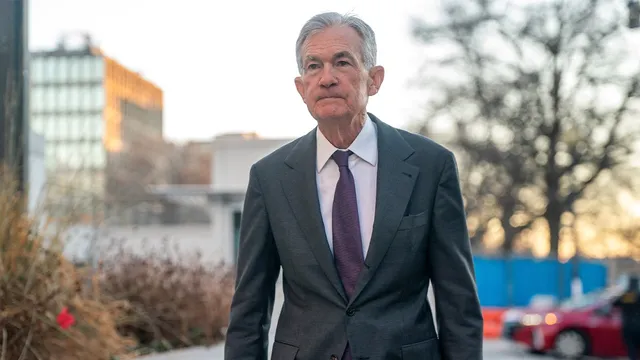
Trump investigates Jerome Powell over Federal Reserve policies
Trump investigates Jerome Powell over Federal Reserve policies
- Jerome Powell faces a criminal investigation related to renovation costs of the Federal Reserve buildings.
- Donald Trump has pressured Powell to lower interest rates for economic growth.
- The situation raises concerns about the independence of the Federal Reserve and the impact of political pressures.
Story
In the United States, Jerome Powell, the Chair of the Federal Reserve, is currently embroiled in a significant controversy. The Trump administration, led by President Donald Trump, has initiated a criminal investigation concerning Powell's handling of a renovation project at the Federal Reserve's buildings in Washington, DC. Reports indicate that the investigation was approved by U.S. Attorney Jeanine Pirro in November. It is speculated that this action is politically motivated, primarily aimed at exerting pressure on the Fed to lower interest rates, which Trump has consistently advocated. Powell strongly believes that these threats are not solely focused on the alleged renovation cost overruns, which have exceeded their original budget, but rather on the broader concern regarding the Federal Reserve's independence. Amidst growing tension, Powell asserted the importance of maintaining the Fed's autonomy in setting monetary policy without political influence, indicating a clear stance against the administration’s approach. Trump has openly criticized Powell, suggesting that his tenure at the Fed has not met expectations, and raised doubts about the renovation costs that ballooned significantly beyond initial estimates. This situation highlights an ongoing conflict between the two figures, as Powell prepares for the end of his term as Chair probably in May. The future of the Federal Reserve's independence is now a hot topic among investors, raising concerns about the potential implications for U.S. economic policy. Trump's actions are viewed as a serious challenge to the traditional operation of the Fed, which is expected to maintain its independence in decision-making. As the investigation evolves, expectations grow around who might succeed Powell, with several candidates already being discussed, including Trump loyalists. The overarching implications of this dispute could affect not only U.S. financial markets but also the credibility of the Federal Reserve itself.
Context
The Federal Reserve, established in 1913, serves as the central bank of the United States and plays a critical role in managing the country's monetary policy. Its independence is a pivotal aspect that has developed over the years, reflecting the delicate balance between governmental authority and the necessity for objective economic management. Initially, the Fed was created in response to financial instability, with the intent to provide a central control to ensure economic stability. Over time, recognizing the potential for political manipulation, the architects of the Federal Reserve sought to insulate it from direct political pressures. This foundation laid the groundwork for an institution designed to operate independently from the whims of elected officials, allowing it to make decisions based largely on economic indicators rather than political agendas. The evolution of Federal Reserve independence has been marked by significant milestones, including the Banking Act of 1935, which reinforced its autonomy by restructuring the Federal Reserve System and granting it greater control over monetary policy. This act aimed to limit political interference, establishing the Federal Open Market Committee as a key decision-making body within the Fed. The intent was to provide a clear framework where experts could make informed monetary policy decisions without succumbing to short-term political motivations. Over the decades, the Fed's autonomy has been tested; however, it has gradually gained credibility and is now widely recognized for its essential role in stabilizing the economy through the management of inflation and employment rates. In the late 20th century, particularly during chairmanships of figures like Paul Volcker and Alan Greenspan, the Fed's independence was put to the test as it faced the growing demands of public accountability and transparency. The challenges posed by economic crises, including the stagflation of the 1970s and the financial crisis of 2007-2008, necessitated quick and effective action by the Fed, often leading to debates about the appropriateness and implications of its policies. Despite varying opinions on the measure of independence, the Federal Reserve has maintained a pragmatic approach, balancing its need for autonomy with the recognition that its actions have profound historical and ongoing impacts on society. Looking forward, the conversation surrounding the Fed's independence continues to evolve, especially in light of increasing scrutiny from both legislative bodies and the general public. As economic challenges persist, including inflationary pressures and changing labor markets, the Fed must navigate the complexities of ensuring economic stability while addressing calls for greater transparency and accountability. This ongoing dialogue signifies an appreciation for the safeguards originally built into the Federal Reserve's structure, affirming the importance of a central bank that can respond effectively to economic conditions without excessive political interference. The history of Federal Reserve independence underscores the necessity for maintaining a delicate balance between effective governance and the autonomy required to make sound economic decisions.


