

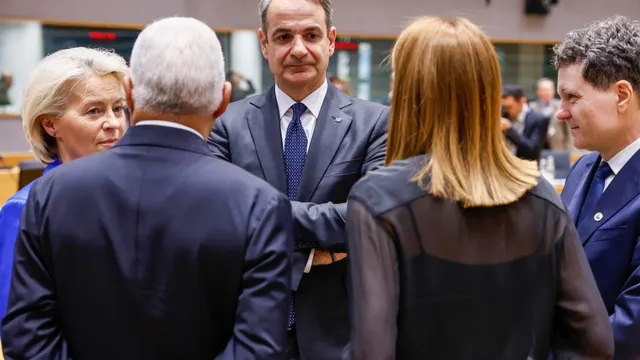
Europeans reject involvement in US-Israeli war against Iran
Europeans reject involvement in US-Israeli war against Iran
- European leaders, including Germany and France, have stated they will not participate in US-Israeli military operations in Iran.
- Concerns arise regarding the lack of a clear strategy from the US in the ongoing conflict.
- This standoff signals a potential shift in European foreign policy and transatlantic relations.
Story
In recent events, European leaders have expressed their strong opposition to direct military involvement in the ongoing US-Israeli war against Iran. This stance was highlighted during discussions held on March 16 and March 18, 2026, where key figures like German Chancellor Friedrich Merz and French President Emmanuel Macron stated their positions. They conveyed serious concerns over the lack of a clear strategy and endgame from the US regarding the conflict. As a result of these uncertainties and the unpopularity of the war among European citizens, countries such as Germany and France have opted to remain on the sidelines rather than commit troops or resources to support the US efforts. Germany's government, embodied by Chancellor Merz and Defense Minister Boris Pistorius, has clearly articulated its position that the conflict initiated by the US and Israel does not involve or concern European nations directly. Merz was quoted stating that there is no convincing plan that ensures success in the operation, leading to Germany's decision not to participate in ensuring freedom of navigation in the strategic Strait of Hormuz. Similarly, President Macron underscored France's disinterest in being drawn into a conflict they feel they were not consulted on, further reinforcing a growing sentiment of skepticism across Europe. Recent polling data revealed that significant portions of the European population, specifically 68% in Spain and 58% in Germany, oppose the war, reflecting public discontent with their governments potentially engaging in a military operation that lacks clarity. Macron’s administration has mentioned plans to collaborate with other nations to secure the Strait independently, showing a move towards creating their own coalition that can operate without US insistence. The decision comes amid heightened tensions and worries about the ramifications of the conflict on transatlantic relations. Although Trump voiced disappointment in European leaders for not supporting military undertakings against Iran, European lawmakers maintain their focus on protecting national interests and avoiding entanglements in a conflict characterized by unpredictability. The broader implications of US foreign policy under Trump's presidency and its perceived unilateralism are reshaping diplomatic relations, creating fissures within NATO, and forcing European nations to reassess their strategic choices in face of American actions. This situation ultimately paints a picture of a divided approach towards military engagements and conflicts, showcasing a growing inclination within Europe to chart an independent path forward regarding security and international relations amidst an unpredictable American administration.


