

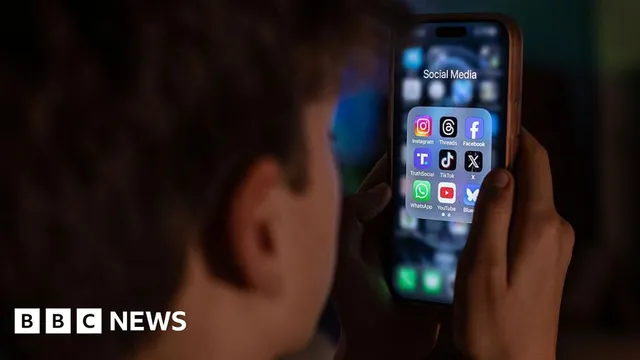
Australia bans social media use for under-16s and removes millions of accounts
Australia bans social media use for under-16s and removes millions of accounts
- Australia enforced a ban on social media access for those under 16 to protect children from online harm.
- In compliance with the law, social media platforms removed around 4.7 million accounts held by children.
- The ban has prompted discussions and considerations of similar measures in other countries.
Story
In December 2025, Australia implemented a significant law that prohibits children under the age of 16 from accessing major social media platforms, including Instagram, Facebook, and TikTok. This law is designed to protect youth from harmful online environments, particularly the dangers associated with exposure to cyberbullying, illegal content, and exploitation. The Australian eSafety Commissioner reported that compliance with the law has led to the removal of about 4.7 million accounts held by users in this age group, which equates to more than two accounts for every Australian aged between 10 to 16 years. The initiative has garnered recognition and interest from other countries considering similar measures, placing Australia at the forefront of child safety in the digital realm. Despite the swift actions taken by social media companies in response to the law, concerns have emerged regarding the effectiveness of age verification methods. Some children have reportedly found ways to bypass the restrictions, either by deceiving the technologies in place or by relying on assistance from older siblings or parents. Moreover, while initial reports indicated a significant number of accounts removed, experts remain cautious about the long-term impact of the law, warning that it could inadvertently isolate vulnerable teens and push them towards less regulated platforms. Public sentiment has largely supported the crackdown, with many parents expressing relief that their children can be better protected online. The law prohibits private messaging services like WhatsApp and Facebook Messenger but emphasizes the necessity for platforms to comply with strict regulations. The implications of the policy might evolve as regulators monitor the effectiveness of age verification systems and strive to prevent new account creation by those underage. The Australian government's approach is seen as a crucial step in addressing the psychological impacts of social media on young people, with mental health and suicide rates being a particular concern. Australia's communications minister, Anika Wells, noted that the action taken reflects the government's resolve in protecting children's mental health while challenging powerful tech companies. The broader effects of the law might take years to manifest, as families and children adapt to the new normal, and further studies are launched to track these long-term consequences.
Context
Social media has become an integral part of daily life for youth around the globe, significantly influencing their mental health. The rise of platforms such as Instagram, Twitter, TikTok, and Snapchat has created a new landscape where young individuals express themselves, connect with peers, and consume information. However, the impact of social media is a double-edged sword; while it can provide opportunities for social engagement and support, it is also linked to various negative mental health outcomes. Research indicates that excessive social media use can lead to increased feelings of anxiety, depression, and low self-esteem among youth. These adverse effects are often exacerbated by the constant exposure to curated and idealized representations of life, which can result in unhealthy comparisons and feelings of inadequacy among peers. Another critical aspect of social media's influence on youth mental health is the prevalence of cyberbullying. The anonymity provided by digital platforms enables individuals to engage in harmful behaviors, targeting vulnerable individuals with negative comments, harassment, and exclusion. Victims of cyberbullying often experience severe psychological distress, which can manifest in symptoms such as depression, anxiety, and even suicidal ideation. Additionally, the addictive nature of social media can lead to compulsive behaviors, wherein youth may find themselves spending excessive amounts of time online, which detracts from real-life interactions and can negatively impact their social skills and self-worth. On the other hand, social media also plays an essential role in fostering community and support among youth. Many young people find solace in online communities that share similar interests or struggles, enabling them to connect and feel less alone. Platforms can offer mental health resources, provide avenues for self-expression, and serve as a space where individuals can seek help and support from others facing similar challenges. Initiatives aimed at promoting positive mental health on these platforms can help mitigate negative outcomes and potentially transform social media into a source of empowerment and resilience for young users. In conclusion, the relationship between social media and youth mental health is complex and multi-faceted. While it has the potential to enhance social connection and provide support, there are significant risks associated with its use, including increased anxiety, depression, and exposure to cyberbullying. Understanding this dynamic is crucial for parents, educators, and policymakers as they work to equip young individuals with the tools they need to navigate the digital landscape safely and positively. Promoting responsible social media use and integrating mental health education into discussions about technology is essential for fostering a healthier online environment for youth.


