

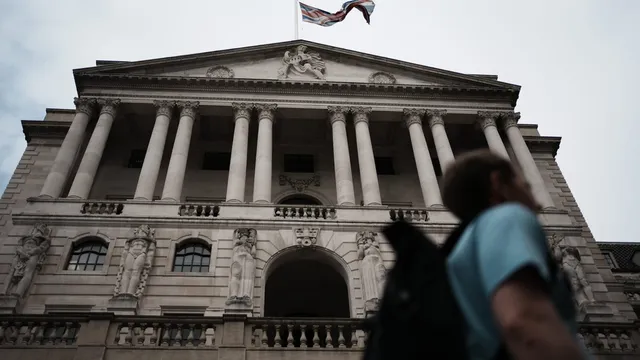
Bank of England tests private credit firms for financial shock resilience
Bank of England tests private credit firms for financial shock resilience
- The Bank of England has launched a new exercise to evaluate the resilience of private credit firms amid concerns over their market stability.
- Total assets in private credit and equity funds have surged from around three trillion US dollars a decade ago to eleven trillion dollars today.
- The Bank aims to ensure financial stability as private credit and equity play a growing role in supporting jobs and innovation in the UK economy.
Story
In the UK, the Bank of England has initiated a stress-testing exercise aimed at assessing how private credit and equity firms would withstand a significant financial shock. This initiative arises from growing concerns regarding the potential threats these industries pose to the overall economy, especially as their assets have ballooned from approximately three trillion US dollars to eleven trillion dollars over the past decade. With private credit becoming a vital source of funding for UK businesses—supporting around two million jobs—the central bank emphasizes the need for a thorough evaluation of the resilience of these private markets. The central bank's focus on private credit and equity firms comes amidst heightened scrutiny over their lack of regulation compared to traditional banks. Recent market collapses, such as those of US auto parts firm First Brands and car dealer Tricolor in October, have only amplified concerns among investors regarding the stability of these sectors. The Governor of the Bank of England, Andrew Bailey, has expressed the need to take these worries seriously and ensure proper testing protocols are in place, given that such firms have never been subjected to evaluation during a severe global downturn. In the context of this initiative, the Bank of England is not just interested in the immediate responses of these firms but is also aiming to understand the broader implications for financial stability across the UK. The deputy governor for financial stability, Sarah Breeden, highlighted the importance of private equity and private credit in fostering innovation and growth among UK companies. However, to ensure these benefits continue, the Bank stresses the need for a comprehensive grasp of potential risks that could ripple through the financial system during a stress event. The Bank of England has secured participation from a range of prominent private market firms, including well-known investment giants such as Blackstone, Apollo, and KKR. Most of the assessment operations are scheduled to take place in 2026, with the central bank anticipating producing an update on its findings during that year followed by a final report anticipated for release in early 2027. This timeline indicates that, while immediate responses to the current situation are crucial, a long-term framework for understanding and regulating private credit and equity markets is also being developed.


