

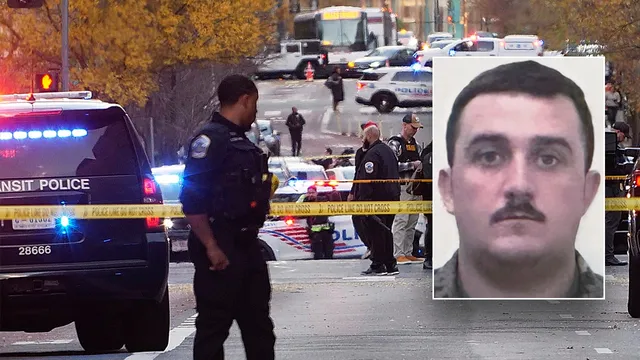
Andrew Wolfe shows miraculous signs of recovery after shooting
Andrew Wolfe shows miraculous signs of recovery after shooting
- Andrew Wolfe was shot while on duty the day before Thanksgiving and was initially in critical condition.
- Medical staff have reported positive signs in his recovery, and his mother has expressed belief in his survival.
- The incident has raised significant concerns regarding U.S. security and immigration policies.
Story
In the United States, a tragic incident occurred when two National Guardsmen were shot near the White House, intensifying concerns over security protocols and immigration policies. The attack, which took place a week before Thanksgiving, left Army Specialist Sarah Beckstrom dead and Air Force Staff Sergeant Andrew Wolfe seriously injured. Following the shooting, Wolfe has been hospitalized and is considered to be in serious condition, though he has shown positive signs of recovery, including wiggling his toes and giving a thumbs-up to nurses. His mother has expressed unwavering faith in his survival, and the medical staff treating him have referred to his case as a 'miracle.' Meanwhile, U.S. Attorney General Pam Bondi, who visited Wolfe’s family in the hospital, shared that they have reason to believe he will survive, despite the long recovery ahead. The shooter, identified as Lakanwal, was granted asylum in the U.S. after working with American forces in Afghanistan and is currently facing serious federal charges. This attack has sparked a broader dialogue about the vetting processes for military personnel and asylum seekers and the ongoing impact of the political climate on domestic security. The incident has prompted federal authorities to review the asylum procedures for Afghan evacuees, emphasizing the need for stricter vetting to prevent future tragedies.
Context
Gunshot injuries present some of the most complex challenges in trauma medicine, often leading to catastrophic outcomes. However, there are numerous documented cases of remarkable resilience and recovery among gunshot victims that have redefined our understanding of human physiology and the capacity for healing. Advances in medical technology and surgical techniques have played a crucial role in these miraculous recoveries, transforming what was once considered a death sentence into an opportunity for survival and rehabilitation. Optimizing the rapid treatment of patients, from emergency response to surgical intervention, enhances survival rates significantly, thus illustrating the importance of immediate medical attention in trauma cases. The intricate nature of gunshot wounds lies in their diverse presentations and the varied damage they cause to tissues, organs, and blood vessels. Different types of firearms and ammunition can have drastically different impacts, leading to complications such as massive hemorrhage, infection, and organ failure. Innovative surgical techniques such as damage control surgery, which focuses on stopping bleeding and preventing infection before comprehensive repair, have drastically improved outcomes. Additionally, the introduction of advanced imaging techniques has revolutionized the preoperative assessment and planning, ensuring that healthcare professionals can respond more effectively to the unique challenges posed by each gunshot injury. From case studies, we gather evidence of incredible resilience, with survivors reclaiming their lives post-injury. Advances in rehabilitation protocols, including physical therapy and psychological support, contribute significantly to the long-term recovery of these individuals. The development of prosthetics and rehabilitation technologies has also made it possible for many victims to regain mobility and functionality, addressing both physical and emotional aspects of recovery. Such transformative treatments not only assist with physical rehabilitation but also promote mental health by helping survivors adapt to their new realities, fostering a supportive environment for healing. In summary, the phenomenon of medical miracles among gunshot victims underscores the remarkable human capacity for recovery, supported by medical science. The evolution of techniques in trauma management from pre-hospital care to post-discharge rehabilitation reflects a broader transformation in how we approach life-threatening injuries. Continued research and innovation in this field are paramount, as they hold the potential to further improve outcomes for those affected by gun violence, emphasizing the need for a sustained commitment to advancing medical knowledge and practice.


