The significance of Gettysburg and Vicksburg in the American Civil War cannot be overstated, as both battles marked pivotal turning points in the conflict between the Union and the Confederacy. The Battle of Gettysburg, fought from July 1 to July 3, 1863, is often regarded as the war's turning point. It was the largest battle ever fought in North America, resulting in approximately 51,000 casualties. The Union victory at Gettysburg halted the Confederate invasion of the North led by General Robert E. Lee. This defeat not only diminished the morale of the Confederate forces but also bolstered the Union's resolve, leading to increased support for the war effort in the North. The battle is also significant for President Abraham Lincoln's Gettysburg Address, which redefined the purpose of the war and emphasized the principles of human equality and the fight for a unified nation.
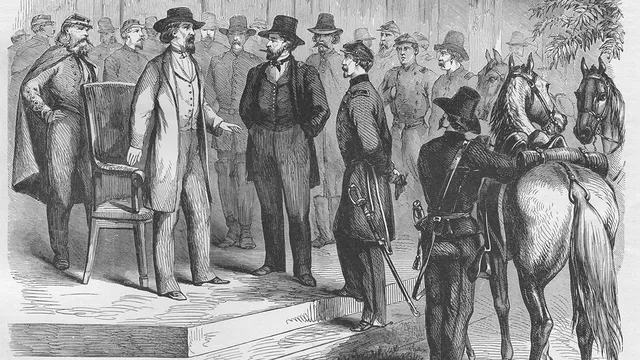
In conjunction with Gettysburg, the Siege of Vicksburg, which lasted from May 18 to July 4, 1863, was equally crucial. Vicksburg was a strategic stronghold on the Mississippi River, and its capture by Union forces under General Ulysses S. Grant effectively split the Confederacy in two. The successful siege resulted in the surrender of the Confederate army, which further weakened the South's ability to sustain its war efforts. The Union's control of the Mississippi River allowed for better supply lines and troop movements, significantly enhancing the Union's military strategy. The fall of Vicksburg, occurring on the same day as the conclusion of Gettysburg, symbolized a major shift in the war's momentum in favor of the Union.
The combined outcomes of these two battles had profound implications for the Civil War. The Union victories at Gettysburg and Vicksburg not only marked a turning point in military fortunes but also had lasting political ramifications. The victories helped to solidify Northern support for the war, leading to increased enlistments and resources for the Union army. Furthermore, they contributed to the growing perception that the Confederacy was on the defensive, which would shape military strategies and public sentiment in the years to come. The significance of these battles extended beyond the immediate military context, influencing the broader narrative of the war and the eventual outcome.
In conclusion, the battles of Gettysburg and Vicksburg were critical junctures in the American Civil War, representing the high-water mark of the Confederacy's military ambitions. Their outcomes not only shifted the balance of power in favor of the Union but also set the stage for the eventual defeat of the Confederacy. The legacy of these battles continues to resonate in American history, serving as reminders of the sacrifices made and the enduring struggle for unity and equality in the nation.