
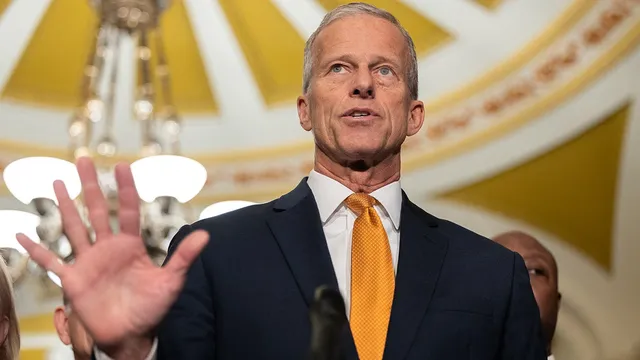
Senator Kennedy supports reopening government without ICE funding
- Senator John Kennedy supports a proposal to reopen the government while excluding ICE funding.
- Federal workers, including TSA agents, face difficulties due to the government shutdown.
- Negotiations continue as senators seek a compromise to fund most of Homeland Security.
Story
In the United States, discussions have taken place among senators to resolve a prolonged deadlock over Homeland Security funding. Republican Senator John Kennedy expressed willingness to accept a Democratic offer to end the government shutdown, which involves reallocating funds for the Department of Homeland Security (DHS), excluding the Immigration and Customs Enforcement (ICE) operations related to enforcement and removal. He indicated that ICE could later be funded via a reconciliation process where only Republican votes would be needed. This decision comes amid ongoing tensions stemming from various protests and deaths related to ICE's policies. Senators are exploring options aimed at breaking the impasse over funding, particularly as federal workers, including Transportation Security Administration (TSA) agents, suffer from financial uncertainties due to the shutdown. Contrary to the Democrats' demands for greater restraint on ICE operations, they have shown interest in providing funding for the broader DHS, with specific limitations on enforcement aspects of ICE's operations. The discussions emphasize the need to ensure that deportation processes respect legal standards, including obtaining court-approved warrants for searches. Key Republican Senate leaders have expressed optimism over these negotiations, which involve both parties collaborating to find common ground. The potential deals on the table vary from outright exclusion of ICE funding with no operational restraints to full funding for ICE coupled with more oversight. Lawmakers seem to agree on the urgency of reaching an agreement given the ongoing effects of the shutdown on essential DHS functions and the welfare of its workers. As senators continued to negotiate possible resolutions late into the night, eyes are turned to the upcoming caucus meetings where written proposals will be discussed. Senate Majority Leader John Thune reported positive discussions and hoped to present a tangible solution soon. The urgency expressed by various senators, including Democratic Senator Chris Coons, highlights the pressing need for a legislative consensus that would both fund essential operations and carefully manage ICE's contentious enforcement strategies.
Context
The discussions surrounding the Homeland Security budget in the Senate have garnered significant attention, particularly given the critical role of national security in the current global landscape. Senators have been engaging in debates aimed at balancing necessary funding for security operations while ensuring accountability and efficient use of taxpayer dollars. This has involved various stakeholders providing insights and testimonies that highlight the pressing needs of different sectors within the Department of Homeland Security (DHS), including border security, immigration enforcement, and disaster preparedness. Moreover, recent dialogues have underscored the increasing complexity of threats facing the nation, from domestic terrorism to cybersecurity risks. Senators have expressed the necessity of adapting budget allocations to address these evolving threats effectively. This has led to proposals suggesting increased funding for technical advancements and personnel training within key areas of homeland security. Senators have also stressed the importance of maintaining robust support for Federal Emergency Management Agency (FEMA), especially in response to climate change and the increasing frequency of natural disasters. In addition to security-focused considerations, discussions have also placed emphasis on the integration of local and state resources within federal efforts. Senators recognized that successful homeland security initiatives often depend on collaborative frameworks that extend beyond federal jurisdictions. As such, ensuring that local law enforcement agencies and first responders are equipped with appropriate resources forms a critical component of budget discussions. Finally, the Senate's deliberations also point towards a need for transparency and oversight in the allocation of funds. Senators are pushing for enhanced accountability measures to ensure that allocated funds achieve tangible outcomes in enhancing national security. This holistic approach to the Homeland Security budget reflects not only a response to current challenges but also a proactive stance in preparing for future threats, ensuring that the nation remains safeguarded against diverse vulnerabilities.
