

Russia intensifies sabotage actions against Poland amid rising tensions
Russia intensifies sabotage actions against Poland amid rising tensions
- Poland's security ministry has confirmed allegations of Russian sabotage in recent railway attacks.
- Since Russia's invasion of Ukraine in 2022, Europe has experienced numerous acts of sabotage affiliated with Russia.
- The rise in confrontational tactics signifies a potential need for NATO to respond with military actions.
Story
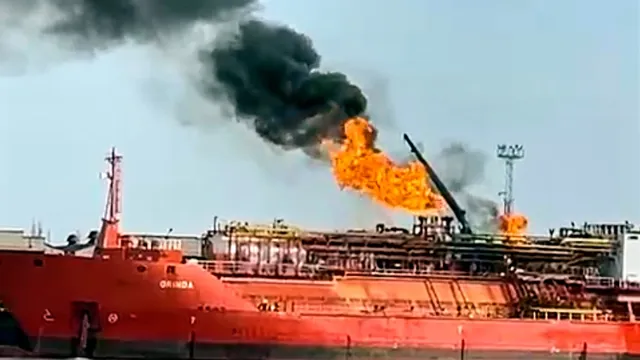
Poland has recently experienced a series of attacks attributed to Russian forces, including sabotage on its railway system. Following an incident where a blast occurred on the railway and the rails were cut, Poland's security ministry expressed strong suspicions of Russian involvement, stating that "everything points to Russian sabotage." This assertion by Polish officials comes against a backdrop of escalating hostile activities, particularly a wave of sabotage incidents and cyber attacks that have targeted other European nations since the onset of Russia's full-scale invasion of Ukraine in 2022. The impact of these incidents has extended beyond mere infrastructure, as they represent a step toward a hybrid form of warfare characterized by both physical attacks and psychological operations, including propaganda through social media. Former Polish Prime Minister Donald Tusk has voiced his anger and concern about these developments, emphasizing that such sabotage operations are not unprecedented, especially considering the earlier involvement of Russian drones on Polish territory. These drones have been described not just as reconnaissance tools but rather as lethal weapons, falling into the category of kinetic bombs. As reported by various sources, including the Centre for International and Strategic Studies, there have been at least 70 recorded acts of sabotage attributed to Russia across Europe since the beginning of the war in Ukraine. The tactics employed in these operations range from the use of explosives and incendiaries to violent confrontations utilizing clubs and knives. In some cases, this has also involved damaging vital communication infrastructures, such as fiber optic cables using sea anchors. Such actions have not only raised alarms about national security but have also heightened the sense of urgency within NATO. In light of these incidents, military support from European nations, particularly the UK and France, has been reaffirmed. With France entering discussions to potentially provide Ukraine with 100 Rafale fighter jets, the message is clear: Europe is preparing to escalate its military readiness as tensions continue to mount. Observers, including former security minister Tom Tugendhat, have underscored that attacks like the gas tanker incident at the Romanian border are tantamount to assaults on NATO itself. This shift towards a more physical response may become necessary as further Russian aggression unfolds, particularly evident in Poland and Romania, both of which occupy a key strategic position in the ongoing geopolitical landscape. In conclusion, the recurrent incidents of sabotage and destabilization tactics employed by Russia signify an ongoing hybrid warfare campaign across Europe, raising critical questions about NATO's role and response in defending European nations in the face of these provocations from Russia.


