

Trump threatens Hamas with consequences for non-compliance
Trump threatens Hamas with consequences for non-compliance
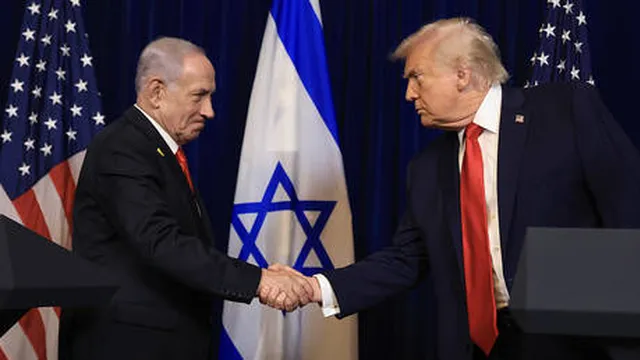
- Donald Trump engaged in a summit with Benjamin Netanyahu at Mar-a-Lago to discuss the Israel-Palestine conflict.
- He emphasized that Hamas must disarm under a ceasefire agreement within a short time frame.
- The negotiation efforts amidst skepticism raise concerns about the effectiveness of Trump's foreign policy strategies.
Story
In late December 2025, Donald Trump concluded a summit with Israeli Prime Minister Benjamin Netanyahu at Mar-a-Lago, Florida. During the summit, Trump emphasized that Hamas would face significant repercussions if it failed to disarm according to the terms outlined in a U.S.-brokered ceasefire agreement. After two days of rapid diplomatic activity, Trump reported that his negotiating team was making headway towards resolving the ongoing conflicts in Ukraine and Gaza, even though the details surrounding these discussions remained vague and uncertain. The President’s statements came amidst rising skepticism regarding U.S. involvement in these areas, while death tolls continue to escalate. While standing alongside Netanyahu, Trump asserted that Hamas must comply with the disarmament directive within a limited timeframe. He reiterated that if Hamas violated the deal, it would be met with drastic consequences, indicating that military action could resume if the militant group failed to adhere to the agree-upon terms. Despite Trump’s repetitive threats aimed at bolstering his diplomatic efforts, the lack of substantial details and clear evidence supporting claims of progress raised concerns regarding the effectiveness of his approach. Earlier in the summit, Trump met with Ukrainian President Volodymyr Zelensky, during which he made a controversial claim that Russian President Vladimir Putin was eager to assist Ukraine in rebuilding post-conflict. This remark caught Zelensky off guard, highlighting the complexities of the diplomatic discussions. Many observers speculated about the motivations behind Trump’s statements and the overall viability of his peacemaking efforts, especially considering past relationships and ongoing tensions with Russia. As the political landscape shifts in the lead-up to the midterm elections, Trump’s administration may face increasing pressure to yield tangible results in these conflicts, as his promises of peace continue to hang in the balance. The potential political consequences of failing to achieve meaningful agreements are significant, particularly given Trump’s initial campaign promises to address these ongoing disputes during his presidential term. The uncertainty surrounding the direction of U.S. foreign policy in this context raises questions about the future of Trump's diplomatic agenda and its impact on global stability.


