
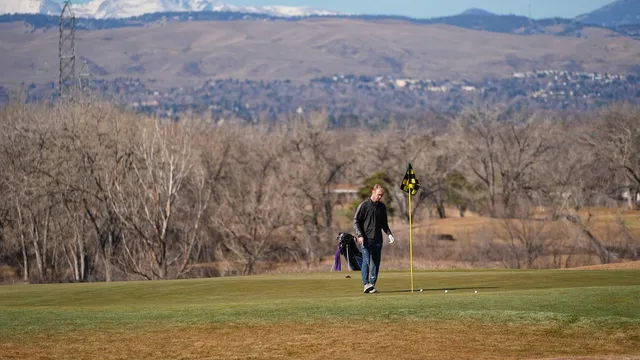
Western US faces catastrophic snow drought impacting water supply
- Most Western states, excluding California, are witnessing the worst snow drought in decades due to record warm temperatures rather than dry conditions.
- The region's snowpack levels are significantly below historical averages, which raises concerns over future water supplies and fire risks.
- Experts warn that ongoing climate change and persistently high temperatures may lead to an early wildfire season.
Story
The American West, especially states like Oregon, Colorado, and Utah, is grappling with an unprecedented snow drought that has lasted for decades. Record warm temperatures, drastically different from typical winter conditions, are being blamed for the alarming lack of snow. For example, Salt Lake City has not seen an inch of snow for 327 days, marking the longest dry spell since 1890-91. Experts believe this situation is exacerbated by climate change, as warmer weather influences the precipitation pattern, causing more rain rather than snow to fall. Consequently, this deficiency in snow accumulation poses major risks for future water supplies, making the region more susceptible to wildfires and adversely affecting winter tourism and recreation industries. Such drastic changes in climate and precipitation patterns have devastating implications for the region’s economy, particularly in sectors reliant on stable winter conditions, such as skiing and snowboarding, with ski resorts already reporting struggles. The historically cold temperatures seen in much of the U.S. east of the Rockies starkly contrast with the warm winter being experienced in the West, driving home the unusual nature of this season. Experts have warned that this lack of snow not only impacts recreational activities but also has longer-term consequences for agriculture and hydropower systems that depend on snowmelt for water supply throughout the year. Moreover, the significance of these developments cannot be overstated, as scientists stress the necessity of snow for maintaining a healthy ecosystem and water management in the American West. The forecast indicates potential wetter, cooler weather could slightly alleviate the current snow drought, but the outlook remains bleak. A long-term solution is needed to address these challenges, alongside a concerted effort to mitigate climate change's effects. Understanding these patterns and their implications is crucial for planning future water management strategies and preparing for the early onset of wildfire season. As these trends continue, it is imperative for stakeholders, including policymakers and local communities, to rethink water resource management as they face an increasingly unpredictable climate scenario. The scientific community remains focused on monitoring these patterns, which could be foundational in establishing policies that safeguard against future water shortages and related environmental issues.
Context
Climate change is increasingly influencing winter weather patterns across the globe, leading to significant environmental and socio-economic impacts. As global temperatures rise due to the escalation of greenhouse gas emissions, the dynamics of winter weather events are becoming more complex. Warmer air holds more moisture, which can lead to heavier precipitation, and a shift in temperature extremes is altering the frequency and intensity of snowstorms and cold waves. Additionally, the warming Arctic is affecting the jet stream, leading to prolonged periods of severe weather in mid-latitude regions. One notable effect of climate change on winter weather is the variability that has been observed in snowfall and snow cover. Warmer winters may result in less snow accumulation in some regions, while others may experience heavier snowfall due to increased moisture in warmer air. This inconsistent snow pattern can disrupt ecosystems, impact water supply from snowmelt, and alter habitat conditions for various wildlife species. Regions that historically relied on winter snow for water resources are increasingly facing challenges, which emphasizes the urgent need for adaptive management practices. Moreover, climate change is contributing to the frequency of severe winter storms. These storms, fueled by the availability of moisture and shifting temperatures, can result in damaging wind, heavy snowfall, and ice accumulation, causing significant disruption to transportation, power systems, and emergency response efforts. The economic costs associated with these events, alongside threats to public safety, are rising, prompting municipalities and governments to re-evaluate infrastructure resilience and preparedness for extreme weather events. In conclusion, as the effects of climate change continue to unfold, winter weather patterns will likely become increasingly unpredictable and extreme. Understanding the intricacies of how climate change affects these patterns is crucial for developing effective response strategies and policies. It is essential to engage in comprehensive research to further explore and predict these changes, enabling societies to better plan for the future and address the broad implications stemming from a changing climate.
