

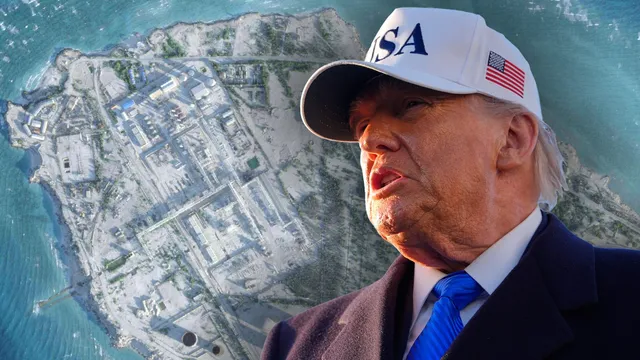
Trump urges allies to secure the Strait of Hormuz after US bombings in Iran
Trump urges allies to secure the Strait of Hormuz after US bombings in Iran
- The US bombed key oil infrastructure in Iran, escalating regional tensions.
- Trump has called upon allies to assist in securing the critical Strait of Hormuz.
- The lack of support from some countries raises concerns about future cooperation regarding NATO.
Story
The situation in the Gulf escalated after the United States targeted Kharg Island, a key oil infrastructure in Iran, leading to President Donald Trump urging allies, particularly the UK, to assist in protecting the Strait of Hormuz. This strait is crucial for the global oil supply, as approximately 20% of the world's oil passes through it. In a bid to gain support, Trump reached out to several countries, emphasizing that those benefiting from oil passing through the strait should contribute to its security. However, some nations, including Japan and Australia, expressed reluctance to send naval forces, indicating possible complications in forming a coalition. Trump expressed that if allies did not respond to his call for assistance, it would have implications for NATO's future relationship, threatening to remember which nations chose not to contribute. Amid this geopolitical tension, Iran's influence and military capabilities are seen as significant deterrents against US and allied interests in the region.
Context
The Strait of Hormuz is a strategically vital waterway that connects the Persian Gulf with the Gulf of Oman and the Arabian Sea. Its significance lies in the fact that it serves as one of the world's most important maritime chokepoints for oil transportation. Approximately one-fifth of the global oil supply passes through this narrow strait, making it a focal point for international trade and energy security. Given the geopolitical tensions in the surrounding regions, particularly involving Iran, the Strait of Hormuz has often been at the center of international relations and strategic military considerations since the late 20th century. Historically, the Strait of Hormuz has been significant not only for its economic implications but also for its geopolitical implications. Control over this passage has been contested by various nations due to its role in global oil transport, particularly by leading oil-exporting countries in the Middle East. The strait gained even more prominence during the 1979 Iranian Revolution, which resulted in increased tensions between Iran and other regional powers. Following the revolution, the United States and its allies intensified their naval presence in the area to ensure the safe passage of oil shipments amidst fears of Iranian aggression. In the 1980s, the Iran-Iraq War further highlighted the strait's significance, as both nations engaged in tanker wars, targeting each other’s oil supplies and threatening commercial vessels in the strait. This conflict drew international attention and military involvement aimed at safeguarding the free flow of oil, emphasizing the strait's role as a critical global energy corridor. Over the years, security concerns in the Strait of Hormuz have spurred various international coalitions and naval operations to protect vital shipping routes, making the strategic importance of the strait a topic of ongoing concern for energy-dependent nations. In modern times, the Strait of Hormuz remains a pivotal zone of geopolitical interests, with multiple stakeholders vying for influence. The region's stability is threatened by a myriad of factors, including military posturing by Iran, maritime disputes, and the potential for miscalculation among foreign powers. As energy demands continue to rise globally, ensuring the security of the Strait of Hormuz is crucial for both regional stability and the integrity of the global energy market. Consequently, the Strait of Hormuz is not just a geographical feature, but a symbol of the intricate web of economic and political dynamics that underscore the importance of energy security in a rapidly changing world.


