

Mapuche community fears violence under new far-right leadership
Mapuche community fears violence under new far-right leadership
- The Mapuches face potential violence with the upcoming presidential election amidst rising far-right political sentiment.
- Historical grievances and recent incidents heighten fears among the Mapuche people regarding their safety and rights.
- The community's ongoing fight for recognition and justice parallels broader Indigenous resistance efforts beyond Chile.
Story
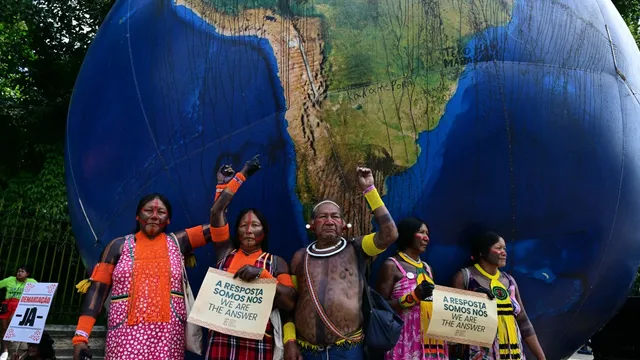
In Chile, the Indigenous Mapuches, the largest Indigenous group in the country, find themselves in a precarious situation as they approach a presidential election. This historic group, which constitutes about 12% of Chile's population, has faced violent oppression for centuries, and current political dynamics have raised fears of a new wave of violence. The political landscape appears increasingly favorable to far-right candidates, with the leading contender, José Antonio Kast, advocating for stringent security measures in response to Mapuche activism and violence from armed groups. In contrast, left-wing candidate Gabriel Boric, who initially promised to respect Indigenous rights, has faced criticism for redeploying military forces in Mapuche territories amidst ongoing tensions. An incident in 2018, where a young unarmed Mapuche farmer was shot by security forces, exemplifies the growing hostility and mistrust the Mapuche people feel towards the state. This tension is compounded by historical grievances dating back to the dictatorship of Augusto Pinochet, under which the rights of the Mapuches were severely violated. The unease within the Mapuche community is underscored by quotes from community members, such as Angelina Cayuqueo, who expressed a haunting fear of returning to the repressive conditions reminiscent of the Pinochet era. Many within the community also feel that, despite recent land reclamation efforts, their poverty and marginalization remain unchanged. In the backdrop of these local struggles, Indigenous groups across the Amazon are also mobilizing against fossil fuel exploitation on their territories, asserting their rights and calling for a transition away from fossil fuels. Their successes, such as the landmark rulings and significant actions to halt oil companies from drilling on their ancestral lands, showcase the potential power of Indigenous activism. Yet, despite these victories and international solidarity, governments often prioritize corporate interests over Indigenous rights and preserved ecological environments. This ongoing fight for recognition and justice reflects broader global patterns of Indigenous resistance against state and corporate aggression, emphasizing the need for genuine inclusion and respect for Indigenous sovereignty in political dialogues and decision-making processes.


