

Nine skiers missing after avalanche in Sierra Nevada
Nine skiers missing after avalanche in Sierra Nevada
- On February 17, 2026, an avalanche struck a group of 15 skiers on Castle Peak in California.
- Six individuals have been rescued, with two requiring hospitalization due to their injuries.
- The search for the nine missing skiers continues under extreme weather conditions, highlighting the dangers of skiing during such storms.
Story
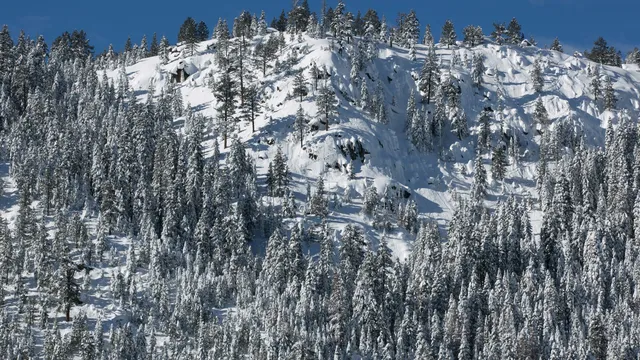
In California, a tragic avalanche occurred on February 17, 2026, around 11:30 a.m. local time on Castle Peak, a popular ski area in the Sierra Nevada. This event involved a group of 15 individuals who were skiing together. Out of this group, six skiers were successfully rescued later that evening, although two required hospitalization due to injuries sustained during the avalanche. Initially, there were reports of 16 people being in the group, but this was later corrected to 15. The rescue operation was complicated by extreme weather conditions, which included a winter storm that created heavy snowfall and strong winds in the region. These adverse conditions led to the closure of Interstate 80 at the summit of Castle Peak, further delaying rescue efforts. The Sierra Avalanche Center had already issued warnings about unstable snow conditions and potential avalanches prior to this incident, emphasizing that it is dangerous to travel in the affected areas under such severe weather. As a result, travel was strongly discouraged, and ongoing assessments revealed that numerous avalanches were expected in the backcountry terrain likewise creating intense travel hazards. Despite the treacherous conditions, the Nevada County Sheriff's Office confirmed that search operations were still in progress, contingent upon weather permitting. The search process remains critical as winter storm conditions are expected to persist throughout the week. Seasonal patterns combined with the climatic intensity of the storm heightened the risks of avalanches in the region. The ongoing situation is dire as families and loved ones await news about the missing skiers. Authorities urge extreme caution and preparedness for low visibility around the mountains. This incident underscores the dangers of skiing in avalanche-prone areas, particularly during extreme winter weather, and serves as a stark reminder of the unpredictability of nature in mountainous regions.
Context
Skiing in avalanche areas presents significant risks, making it crucial for skiers to adhere to strict safety protocols. Before embarking on a skiing trip in these zones, both skiers and snowboarders must conduct thorough research on the terrain and weather conditions. Utilizing resources such as avalanche forecasts, weather reports, and local advisories can provide essential insights into the current risk levels. It is advisable for individuals to familiarize themselves with avalanche terrain features, such as slopes steeper than 30 degrees, as these areas are more prone to avalanches. Additionally, skiers should always check the stability of the snowpack and be mindful of recent weather changes that may affect avalanche risk. Equipping oneself with the proper safety gear is another critical step in ensuring safety while skiing in avalanche-prone regions. Skiers are strongly encouraged to carry essential avalanche safety equipment including a beacon, shovel, and probe. A transceiver (beacon) allows skiers to locate each other in the event of an avalanche, while shovels and probes are vital for digging and locating buried individuals swiftly. Training in avalanche safety is equally important; skiers should undergo courses that teach them how to use this equipment effectively and how to perform rescue operations. These skills can mean the difference between life and death in emergency situations. When skiing in groups, it is vital to establish a clear plan and maintain communication among all group members. Each skier should be aware of their responsibilities, including monitoring the skiing route and the avalanche risks associated with it. Adopting safe skiing practices, such as skiing one at a time down steep slopes rather than as a group, can reduce the chances of multiple individuals being caught in an avalanche. Additionally, we must utilize safe travel techniques, which include avoiding terrain traps, such as gullies and depressions where snow can accumulate and increase risk. Lastly, in the event of an avalanche situation, skiers must remain calm and execute the appropriate response protocols. If caught in an avalanche, individuals should try to swim on the surface of the snow to avoid being buried and to create an air pocket around their face. Once the avalanche settles, the first priority is to locate and assist any buried persons, using the designated rescue equipment. Additionally, it is important to alert authorities when needed and to provide first aid to the injured. Following work on avalanche rescue protocols and training will greatly enhance a skier's ability to respond effectively in emergencies, thereby reinforcing personal safety and contributing to the safety of others.


