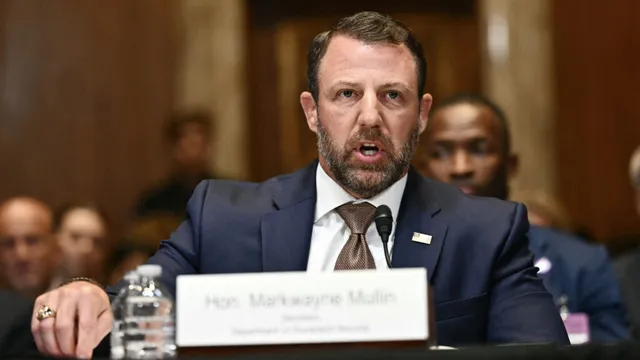
In a significant ruling, the United States Supreme Court determined that asylum seekers are not considered to have arrived in the country until they physically cross the border. This decision, made on June 25, 2026, has far-reaching implications for immigration policy and the treatment of individuals seeking refuge in the U.S. The case, Mullin v. Al Otro Lado, revolved around the legality of a policy known as 'metering,' which allowed immigration agents to turn away asylum seekers before they could enter the country. The court's ruling effectively reinstates this controversial practice, which had been rescinded by the Department of Homeland Security over four years ago. The Trump administration had previously argued that such a policy was essential for managing surges in immigration at the southern border, a stance that has now been validated by the Supreme Court. The majority opinion, authored by Justice Samuel Alito, emphasized that the Immigration and Nationality Act (INA) stipulates that only those who 'arrive in the United States' may apply for asylum. This interpretation has been met with criticism from liberal justices, including Justice Sonia Sotomayor, who warned that the ruling would lead to increased danger for asylum seekers, potentially resulting in more deaths as individuals attempt to cross the border illegally. The dissenting justices expressed concern that the ruling circumvents existing U.S. law, which mandates the right to apply for asylum for anyone arriving in the country. The implications of this ruling extend beyond the immediate legal framework, as it reflects a broader trend in U.S. immigration policy that prioritizes border control over humanitarian considerations. The practice of metering, which began under the Obama administration, was formalized by Trump, allowing border agents to deny asylum claims based on resource availability. This ruling not only reverses a lower court's decision that deemed metering illegal but also raises questions about the future of asylum policies in the U.S. and the treatment of vulnerable populations seeking safety from persecution. As the legal landscape continues to evolve, the consequences of this ruling will likely be felt for years to come, affecting countless individuals and families seeking refuge in the United States.