

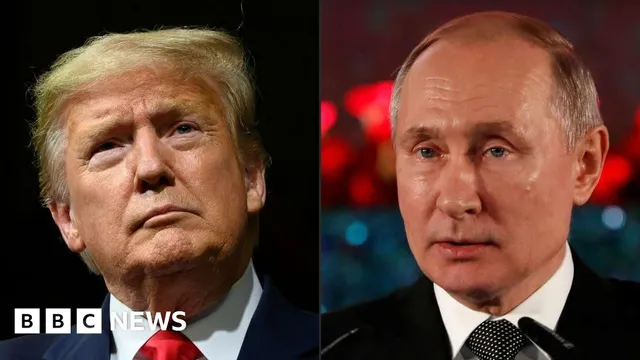
US eases sanctions on Russian oil amid Iran war chaos
US eases sanctions on Russian oil amid Iran war chaos
- The US Treasury has authorized countries to purchase Russian oil currently stranded at sea to stabilize energy markets affected by the Iran war.
- This temporary measure, lasting until April 11, is designed to reduce oil price fluctuations that have emerged due to geopolitical tensions.
- Regulatory differences are emerging, as the UK government maintains its sanctions on Russia, diverging from US policy amidst rising oil prices.
Story
In light of the escalating conflict in Iran, the United States has taken significant steps that impact global oil markets. Recently, U.S. Treasury Secretary Scott Bessent announced a temporary waiver allowing countries to purchase Russian oil that is currently stranded at sea. This measure is set to last until April 11, highlighting the urgency of stabilizing fluctuating oil prices that have exceeded $100 per barrel due to disruptions in the Strait of Hormuz, a critical waterway for oil transportation. Bessent stated this move is narrowly focused and will not significantly financially benefit the Russian government, as most of Russia's oil revenue comes from taxes levied at the point of extraction. The situation in the Strait of Hormuz has become increasingly precarious, with Iran threatening to close the passage, which is paramount as it facilitates about a fifth of the world’s oil supply. The U.S. response to the crisis includes proposed naval escorts for commercial vessels transiting the Strait, emphasizing the government's commitment to ensuring safe passage for global shipping and addressing potential oil supply shortages. Domestic and international stock markets have been adversely affected, witnessing declines as oil prices have surged due to geopolitical tensions. In the wake of these developments, the International Energy Agency (IEA) announced plans to release a record 400 million barrels of oil to mitigate the supply disruption exacerbated by the conflict in the Middle East and the ongoing war in Ukraine. Global authorities, particularly in Asia, are also responding to the rising fuel prices, with various countries implementing measures to stabilize energy costs. Simultaneously, in the UK, government leaders have clarified their stance on sanctions against Russia, indicating that they will not follow the U.S. in easing restrictions on Russian oil, despite the rising prices. This divergence of policies has led to discussions about long-term implications for Russia's economy and its wartime strategies as it seeks to exploit the current geopolitical climate. The overall atmosphere remains tense as nations navigate the challenging dynamics of energy security amidst conflict.
Context
The lifting of US sanctions on oil has significant implications for global markets, geopolitical relations, and domestic economies. When sanctions are imposed, they generally inhibit a nation's ability to sell oil internationally, thereby restricting revenue that can be crucial for economic stability and growth. The removal of these sanctions opens up new pathways for trade, allowing previously sanctioned countries to access larger markets and benefit from higher oil prices. This can lead to a boost in national economies, potentially increasing crude oil production and enhancing export levels, which can impact global supply and pricing structures in the energy sector. Moreover, lifting sanctions changes the dynamics of international relations, particularly with countries that were previously restrained under such restrictions. Improved economic conditions may foster diplomatic dialogue and collaboration, potentially leading to greater stability in international relations. However, it also creates a complex situation where geopolitical tensions could arise with nations affected by an influx of oil supply—particularly those producing countries that might face competition from newly unleashed oil sources. The geopolitical landscape may see shifts as nations reassess their alliances and economic partnerships in light of changing oil availability. On a domestic level, the lifting of sanctions can lead to fluctuations in energy prices, impacting consumers and businesses alike. Lower oil prices may benefit consumers through reduced transportation and heating costs, but they can adversely affect the domestic oil industry, especially in regions reliant on oil production. This can lead to job losses or economic contractions in those regions, sparking debates over energy policy at the national level. Policymakers will need to be vigilant, balancing the benefits of increased global energy competition with the potential impact on domestic industries. Ultimately, the implications of lifting US oil sanctions are multifaceted, touching upon economic growth, geopolitical relationships, and domestic market risks. As countries recalibrate their economic strategies, the global energy market stands to be dynamic, characterized by a new era of competition and cooperation. Observers will need to closely monitor reactions from both affected nations and global markets, as the re-entry of these countries into the oil economy can have wide-reaching effects on energy security and market stability worldwide.


