

Ukraine's struggle continues as grief and survival define 2025
Ukraine's struggle continues as grief and survival define 2025
- In 2025, Ukraine experienced an ongoing conflict characterized by violence and hardship.
- Powerful images captured by the Associated Press showcase both grief and moments of resilience among the people.
- The conflict in Ukraine reflects a profound struggle for survival, with acts of defiance against ongoing aggression.
Story
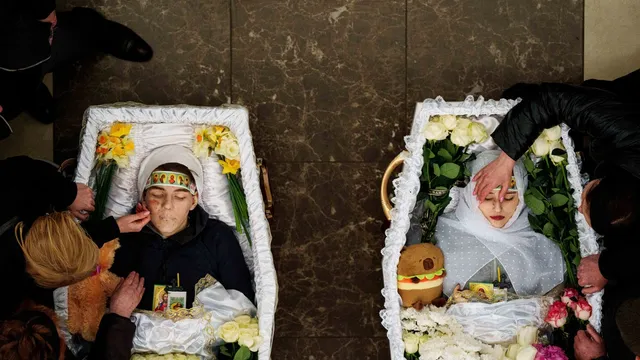
In 2025, Ukraine faced another challenging year marked by unyielding violence and the determination of its people to persist despite relentless hardship. The conflict escalated, resulting in significant losses, particularly at the front lines where military engagements took a grievous toll on both soldiers and civilians. Powerful images captured by the Associated Press highlighted moments of despair as two mothers were seen mourning over the coffins of their 15-year-old children, symbolizing the profound human cost of the ongoing war. The environment was bleak, with urban areas suffering extensive damage from airstrikes that left many residential buildings in ruins. Survivors emerged from these structures, showcasing the emotional scars and traumas inflicted by the conflict. One photograph depicted a young resident navigating through the rubble of a destroyed housing block, contrasting their youthful spirit against the harrowing backdrop of destruction. Meanwhile, soldiers on the front lines displayed resilience amidst adversity as they practiced drills and maintained communication with the outside world, indicating a synchronized effort to stay informed and to prepare for the ongoing battles. Despite the persistent atmosphere of sorrow, signs of defiance and everyday life persisted among the Ukrainian people. Reports illustrated children studying in underground shelters, while temporary reprieves from the bombardment allowed ordinary citizens to experience fleeting moments of joy. There were celebrations such as Halloween parties, and women danced under midsummer sunlight, reflecting a culture that refuses to be extinguished by war. A photo captured a poignant moment during a prisoner exchange, where a woman embraced a soldier draped in flags, surrounded by others holding photos of their loved ones, symbolizing hope and the enduring ties of family. Throughout this turbulent year, the narrative of grief intermingled with the spirit of survival underscored recorded events, highlighting Ukraine's resilience. As the country continued to push back against aggressions from Russia, it maintained its cultural identity and communal support amidst the unrelenting violence. Photographers like Benjamin Snyder and Enric Marti played a crucial role in publicly documenting these converging stories of sorrow, survival, and defiance, ensuring that the world witnessed the ongoing human condition within Ukraine's borders.
Context
The ongoing conflict in Ukraine, which began in 2014 and intensified in the years leading to 2025, has had profound and devastating effects on its civilian population. As of December 2025, millions of Ukrainians have been affected by the war, facing dire humanitarian conditions, displacement, and psychological distress. The conflict has led to significant loss of life, with thousands of civilians killed and a larger number injured. Infrastructure has been heavily damaged or destroyed, disrupting access to essential services such as healthcare, education, and clean water, which are critical for the wellbeing of the population. Economic instability has further exacerbated the situation, leading to increased poverty rates as people lose jobs and livelihoods due to the war's prolonged impact. In addition to the immediate physical dangers, the psychological impact of the war on civilians has been profound. Many individuals have experienced profound trauma, leading to increased rates of mental health issues such as depression, anxiety, and post-traumatic stress disorder (PTSD). Children, in particular, have been deeply affected, often witnessing violence, suffering from the loss of family members, and facing disruptions in their education. The loss of normalcy and the persistent fear of violence contribute to a precarious mental state for many, necessitating urgent mental health support and intervention. Displacement remains one of the most critical challenges faced by civilians in the war-torn regions. As fighting escalated, millions of Ukrainians were forced to flee their homes, resulting in a complex humanitarian crisis. Internally displaced persons (IDPs) face numerous struggles, including inadequate shelter, lack of essential services, and discrimination in their new communities. Many have lost access to their jobs or educational opportunities. International organizations have been working on the ground to provide assistance, yet funding shortages and bureaucratic hurdles have hampered efforts. The displacement crisis will pose long-term challenges for reintegration and rehabilitation in the future. In conclusion, the impact of the war on Ukrainian civilians has been catastrophic, affecting every aspect of daily life. With an urgent need for humanitarian aid, mental health services, and economic support, the focus must also be placed on long-term recovery and rebuilding efforts. Addressing the immediate needs of civilians while planning for a sustainable future is crucial for the recovery of Ukraine. Continued international support and engagement will be necessary to help restore peace and stability, addressing both the humanitarian crisis and the broader socio-economic recovery.


