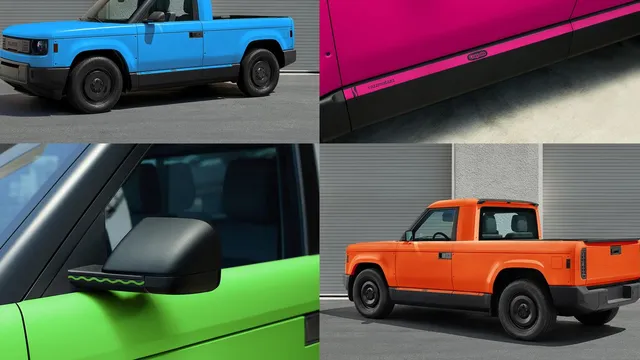
In the United States, a new electric truck called Slate has emerged as the most affordable option in the market, priced at $25,000. This vehicle is backed by Jeff Bezos and aims to provide a cost-effective alternative to traditional gasoline-powered trucks. The Slate electric pickup is designed with no-frills specifications, making it accessible for consumers who want an electric vehicle without the high price tag. It is expected to compete directly with Ford's Maverick, which has been a popular choice among budget-conscious buyers. The Slate truck is also notable for its ability to be repaired by the owner, promoting a DIY culture among its users.
The Slate's development comes at a time when the automotive industry is shifting towards lower-cost battery technologies, particularly those perfected in China. This transition has been influenced by recent changes in U.S. tax policies that previously incentivized domestic sourcing of materials for electric vehicles. The repeal of these tax credits has allowed manufacturers to explore more affordable options, which has led to the creation of the Slate truck. This strategic move is expected to make electric vehicles more accessible to a broader audience, especially in a market that has been dominated by higher-priced models.
In addition to its affordability, the Slate truck has garnered attention for its collaboration with Crayola, the well-known crayon company. This partnership aims to add a playful and colorful touch to the vehicle, appealing to consumers looking for a unique and fun driving experience. The collaboration reflects a growing trend among automakers to differentiate their products in a competitive market by incorporating creative and engaging elements into their designs.
As the automotive landscape continues to evolve, the introduction of the Slate electric truck signifies a significant step towards making electric vehicles more mainstream. With its combination of affordability, DIY repairability, and innovative design, the Slate is poised to challenge established players in the market and reshape consumer perceptions of electric trucks. The future of electric vehicles looks promising, especially as more companies follow Slate's lead in prioritizing cost-effectiveness and user-friendly features.