

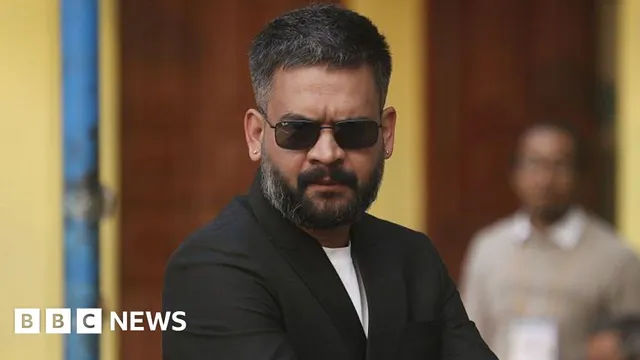
Ex-rapper Balendra Shah leads in Nepal's critical election results
Ex-rapper Balendra Shah leads in Nepal's critical election results
- Preliminary results indicate Balendra Shah's Rastriya Swatantra Party is currently leading the election.
- Voting has focused on improving health and education for poor citizens, appealing especially to young voters.
- The outcome of this election could significantly alter the landscape of Nepali politics.
Story
In Nepal, preliminary results from the recent parliamentary election indicate a significant lead for the Rastriya Swatantra Party, led by Balendra Shah. Votes are still being counted in various constituencies, but Shah's party has already secured 27 of the 165 directly elected seats and is leading in approximately 90 others. This election marks Nepal's first parliamentary vote since the uprising instigated by youth protests last year against former Prime Minister Khadga Prasad Oli. The current political landscape is marked by voter frustration over corruption and calls for accountability from government officials. Balendra Shah, who previously served as the mayor of Kathmandu, has become a prominent figure following his victory in that position in 2022. His campaign focuses on improving health and education for the poorest citizens, resonating strongly with the youth demographic, particularly the 800,000 first-time voters. Shah’s rise as a political leader reflects a broader trend of dissatisfaction with established political parties, pushing a new generation of voters to seek change. The Rastriya Swatantra Party was only founded in 2022, yet it has quickly garnered massive public support, presenting a formidable challenge to the well-established Nepali Congress and the Communist Party of Nepal (UML). Current election results show that a large percentage of the electorate is opting for candidates from this new party and many are voting for independent candidates as well. This shift underscores an evolving political environment in Nepal that could potentially reshape future governance. As ballot counting proceeds, many voters are waiting to see how the final results will affect the country's political dynamics. Full results are not expected until next week, and the outcome may redefine power structures and influence governance in Nepal as citizens express a strong desire for change after years of perceived mismanagement from traditional parties.


