

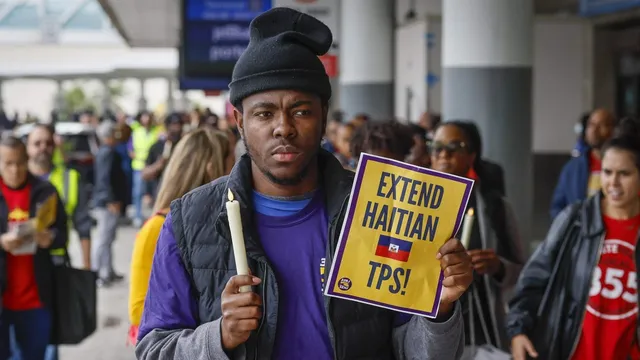
Federal judge halts Trump administration's deportation plans for Haitians
Federal judge halts Trump administration's deportation plans for Haitians
- A federal judge temporarily halted the termination of Temporary Protected Status for over 350,000 Haitians living in the U.S.
- The ruling came just before the expiration of TPS, citing the unsafe conditions in Haiti as a primary reason.
- The legal decision reflects ongoing humanitarian concerns and further complicates the Trump administration's immigration policies.
Story
In the United States, a federal judge issued a ruling that temporarily protects over 350,000 Haitians from potential deportation. This decision came on February 2, 2026, just a day before the Trump administration aimed to terminate Temporary Protected Status (TPS) for these individuals, a program that has been in place since after the 2010 earthquake ravaged Haiti. U.S. District Judge Ana Reyes of Washington, D.C., determined that the Department of Homeland Security Secretary Kristi Noem likely lacked legal grounds and due process to revoke TPS, specifically citing concerns regarding safety in Haiti, where armed gangs have become increasingly violent. The judge's ruling highlighted the dangerous conditions in Haiti, including rampant gang violence, kidnappings, and a lack of access to basic necessities. These factors were central to the original implementation of TPS, designed to offer temporary relief to individuals fleeing unsafe conditions in their home countries. Despite the Trump administration's claims that the security situation in Haiti had improved, Reyes argued that deporting these individuals would expose them to significant risk given the instability and high levels of violence throughout the country. As the administration prepares to appeal, community leaders and advocates are expressing their relief by recognizing the immediate implications of the ruling for Haitian families. Many Haitians currently residing in the U.S. have been alarmed by rumors of increased Deportation and have dealt with heightened anxiety amidst the uncertainty surrounding their legal status. The court's action serves as a significant victory for those who have worked tirelessly to advocate for the protection of TPS and to raise awareness about the continued strife faced by Haitians. The TPS program, established to provide relief to those affected by natural disasters or conflict, has often become a contentious part of the immigration debate in the U.S. The government's push to terminate TPS for various groups, often under claims it has been exploited or used as a permanent solution, poses both legal and humanitarian challenges. The ruling indicates potential legal avenues for TPS holders to remain in the United States, as they fulfill essential roles in their communities, contributing as workers and caregivers, without the fear of immediate deportation.
Context
The history of Temporary Protected Status (TPS) in the United States is a significant aspect of immigration policy that has evolved over the years to respond to humanitarian crises in various countries. Established under the Immigration Act of 1990, TPS allows nationals from designated countries experiencing armed conflict, environmental disasters, or extraordinary conditions to reside in the U.S. temporarily and protects them from deportation. The initial implementation of TPS began with the designation of countries that were impacted by natural disasters or civil unrest, leading to an influx of individuals seeking refuge and safety in the U.S. This provision reflects the nation’s commitment to providing humanitarian aid and support to individuals in need while also balancing domestic immigration concerns. Over the years, numerous countries have benefited from TPS, with various administrations extending or terminating designations based on evolving conditions within those nations. Notably, countries such as El Salvador, Honduras, Nicaragua, and Haiti have been recurrent sources of TPS beneficiaries due to ongoing violence and natural disasters. Each time TPS has been reviewed, the U.S. government has considered the situation in these countries, as well as the capabilities of their governments and infrastructure to ensure the safety and well-being of returning nationals. This process has stirred considerable debate regarding the long-term sustainability of TPS and the implications of its extensions or terminations on the individuals affected. In addition to humanitarian grounds, TPS has been a subject of legal and political discussion throughout its existence. Critics often raise concerns about its potential misuse, while advocates argue that the program provides essential protection for vulnerable individuals. Legal cases surrounding TPS have reached various courts, reflecting the complexities and challenges in interpreting and enforcing immigration law. Furthermore, the political landscape has greatly influenced the program, with shifts in administration leading to changes in TPS policy, affecting the status and rights of thousands of people living in the U.S. As of today, February 3, 2026, TPS remains a contentious topic in U.S. immigration discourse, with ongoing discussions regarding reform and the future of the program. The fate of TPS beneficiaries continues to hang in the balance as the government reviews the conditions that warrant protection under this status. TPS illustrates the United States' dual responsibility to provide refuge to those in need while addressing broader immigration issues and the domestic implications of allowing significant non-citizen populations to reside within its borders. The program serves not only as a temporary solution for affected individuals but also a lens through which the U.S. grapples with its identity and responsibilities on the global stage.


