

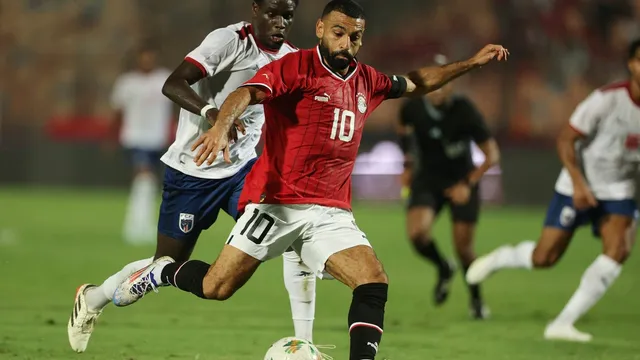
Africa Cup of Nations 2025 kicks off in Morocco amid scheduling controversies
Africa Cup of Nations 2025 kicks off in Morocco amid scheduling controversies
- Morocco is hosting the Africa Cup of Nations from December 21, 2025, to January 18, 2026, featuring 24 teams.
- The tournament's timing over Christmas and New Year is unprecedented, forced by conflicts with club football schedules.
- The event remains highly anticipated, with Morocco as favorites, and aims to deliver exciting matches and national pride.
Story
Morocco is hosting the 2025 Africa Cup of Nations, which commenced on December 21, 2025, and will conclude with the final on January 18, 2026. This biennial tournament has been a highlight of African football since its inception in 1957 and features 24 teams competing in different cities across Morocco, including Rabat, Casablanca, and Agadir. As the tournament unfolds, it raises questions about its timing, occurring over the Christmas and New Year period for the first time due to scheduling conflicts with club tournaments, particularly the expanded Club World Cup and Champions League, which led to significant alterations in participant preparation and player availability. The group stages run until December 31, and the knockout phase begins in early January. Morocco enters the tournament as the favorite, bolstered by a strong squad and home-field advantage, while defending champions Ivory Coast and other formidable teams, such as Nigeria and Senegal, also seek glory. Fans regard the Africa Cup of Nations as an opportunity for thrilling football and national pride, with star players like Mohamed Salah and Achraf Hakimi expected to capture the spotlight. The tournament's significance and entertainment value continue to make it a prime event on the international football calendar, despite the controversies surrounding its scheduling.
Context
The Africa Cup of Nations (AFCON) is the main international football competition in Africa, organized by the Confederation of African Football (CAF). Established in 1957, it is held every two years and is one of the continent's premier sporting events, showcasing the best national teams from across Africa. The inaugural tournament was held in Sudan, where only three teams participated: Egypt, Sudan, and Ethiopia. Over the years, AFCON has grown significantly, both in the number of participating teams and the level of competition, reflecting the deep-rooted passion for football across the continent. The tournament aims to promote unity, culture, and sportsmanship among African nations, serving as a platform for players to gain international exposure and enhance their careers. AFCON has seen several notable developments since its inception. Initially, it featured a smaller number of teams, but as the popularity of football surged across Africa, the tournament expanded. By 1998, the number of teams grew to 16, and this expansion has further increased to 24 teams starting from the 2019 tournament. This change has allowed more nations to participate and compete, thus elevating the overall quality of the tournament. Countries like Egypt, Cameroon, and Ghana have historically dominated the competition, with Egypt holding the record for the most titles won. The tournament not only showcases emerging talents but also celebrates legendary players who have made significant contributions to the sport in Africa. The format of the tournament has evolved over the years, with changes made to improve the quality of the competition and the experience for fans. The inaugural edition in 1957 included a knockout phase, which has since evolved into a group stage followed by knockout rounds. This structure allows for more matches and provides teams with multiple chances to advance in the tournament. Additionally, AFCON serves as a qualifier for the FIFA World Cup, further increasing its significance and placing it on the global stage. The tournament is not just about football; it represents national pride and unity, fostering a spirit of camaraderie and healthy competition among nations. The Africa Cup of Nations has also adapted to the changing landscape of modern football, with advancements in technology and media coverage. The tournament receives extensive media coverage, not only across the African continent but also internationally, reflecting the growing interest in African football. The exposure helps in promoting sponsors, enhancing the financial viability of the event, and improving the overall experience for fans. With a rich history spanning over six decades, AFCON continues to be an essential part of African culture, highlighting the continent's football prowess and the enduring love for the game.


