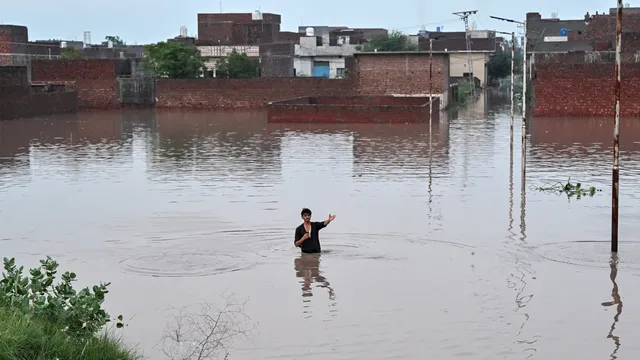
In Pakistan, heavy monsoon rains have led to significant loss of life and property since the onset of the season in June. As of late July 2026, the National Disaster Management Authority reported that at least 107 individuals have died due to rain-related incidents, with 344 others injured. The province of Khyber Pakhtunkhwa has experienced the highest fatalities, totaling 55, while Punjab has recorded 36 deaths. Most casualties resulted from house or roof collapses, highlighting the dangers posed by the severe weather conditions.
The situation in Punjab, particularly in Lahore, has become increasingly dire, with authorities establishing at least 17 flood relief camps to accommodate evacuated residents. An official from the Punjab Irrigation Department described the flooding as “very alarming,” noting that approximately 400 square kilometers of land are currently submerged. The Chief Minister of Punjab, Maryam Nawaz Sharif, has mobilized emergency responders to assist in draining floodwaters and managing the crisis.
The Pakistan Meteorological Department has indicated that while no immediate flood-generating activity is expected, a new wet spell is anticipated to begin soon, potentially exacerbating the already critical situation. The Ravi River is currently at a medium flood level, and most major rivers are flowing at normal to low flood levels. However, the risk remains high as the monsoon season is expected to continue until September, keeping residents and authorities on high alert.
Urban planning issues in Pakistan, particularly in rapidly growing cities, have contributed to the vulnerability of many communities to flooding. The disorganized development has led to the proliferation of slums, which are ill-equipped to handle such extreme weather events. The ongoing monsoon season serves as a reminder of the challenges faced by the country in managing natural disasters and the need for improved infrastructure and disaster preparedness to protect its citizens.