

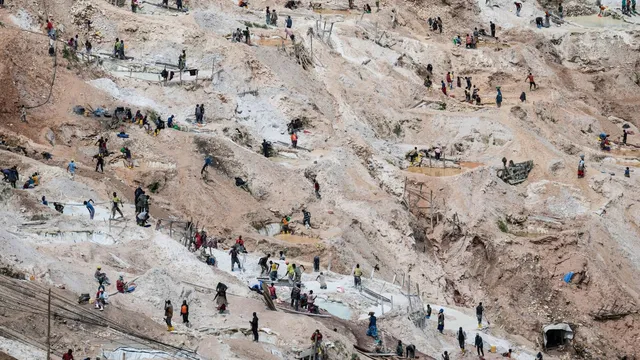
Over 200 dead in landslide at coltan mine in DR Congo
Over 200 dead in landslide at coltan mine in DR Congo
- A landslide at the Rubaya coltan mine resulted in over 200 deaths, including around 70 children.
- The incident occurred due to heavy rainfall and highlighted unsafe working conditions for artisanal miners.
- This tragedy underscores ongoing issues with illegal mining and lack of safety measures in conflict-affected regions.
Story
In early March 2026, a catastrophic landslide occurred at the Rubaya coltan mine located in North Kivu province of the Democratic Republic of Congo. This incident reportedly resulted in over 200 fatalities, including around 70 children, as officials confirmed. The landslide was triggered by heavy rainfall which led to the collapse of hand-dug pits where many artisanal miners were working. Amidst this tragedy, many survivors described the situation where the earth began to fall gradually before the complete collapse. They highlighted the lack of protective measures and oversight from authorities, forcing them to work under unsafe conditions due to economic necessity. The Rubaya mine, known for producing about 15% of the world's coltan – a vital mineral for electronic devices – has long been plagued by dangerous working conditions exacerbated by the area's control by the M23 rebel group. This group has been in control of the coltan-rich area since 2024 and has not provided proper safety protocols for the miners. Reports indicate that illegal mining and the absence of regulatory measures have contributed to these frequent and lethal landslides, as observed in a similar incident earlier in January that claimed over 400 lives. Emergency rescue operations have been undertaken, but efforts have been impeded by hazardous conditions as well as restrictions imposed by the occupying rebel forces. Many of the injured survivors have been evacuated to healthcare facilities in Goma for treatment. The local miners often work without helmets or safety checks, underscoring the dangers they face daily. Although the Congolese government had previously banned mining in the area, the ban was ineffective due to the absence of government control after the M23 seized the region. This incident raises concerns regarding the safety of mining practices and the need for regulatory oversight in conflict zones. The loss of life and the continued exploitation of resources in the region highlight the dire humanitarian and economic situations faced by residents in eastern DR Congo. International attention and intervention may be necessary to address the systemic issues surrounding illegal mining and the control of essential resources in the area, along with ensuring the safety and rights of workers.
Context
Coltan, short for columbite-tantalite, is a crucial mineral used in the manufacture of electronic devices such as smartphones and laptops. Unfortunately, the extraction of coltan in the Democratic Republic of Congo (DR Congo) has raised significant concerns regarding its impact on local communities. Coltan mining is often linked to various human rights abuses, environmental degradation, and social instability. As the demand for electronic products continues to surge, the pressure on local communities in DR Congo intensifies, leading to dire consequences for their livelihoods and well-being. The social implications of coltan mining in DR Congo are profound. Many mining activities are conducted illegally, often dominated by armed groups that exploit local populations. These groups utilize violence, intimidation, and forced labor to gain control over mining sites, which results in a loss of autonomy for local communities. The insecure environment forces families to flee their homes, leading to displacement and increased vulnerability. Furthermore, the revenue generated from coltan often does not benefit the local population, instead being funneled back into the hands of corrupt officials and militant factions, perpetuating a cycle of poverty and disenfranchisement. In addition to social challenges, environmental degradation resulting from coltan mining further exacerbates the plight of local communities. The mining process often involves deforestation, which not only destroys vital ecosystems but also disrupts agriculture, a primary source of sustenance for many people in the region. Soil erosion and water contamination from mining activities pose additional threats to public health, leading to increased respiratory diseases and gastrointestinal issues among the affected populations. The lack of regulation and oversight in the mining industry amplifies these environmental concerns, resulting in long-term damage that could take decades or even centuries to repair. Finally, addressing the impact of coltan mining on local communities in DR Congo requires a multi-faceted approach involving international cooperation, stronger regulatory frameworks, and community empowerment initiatives. Efforts must focus on promoting responsible sourcing of minerals, enhancing transparency in supply chains, and investing in local development projects that prioritize sustainability and community engagement. Only by addressing these interconnected issues can meaningful progress be made to protect the rights and well-being of communities affected by coltan mining, while also meeting the global demand for technology.


