

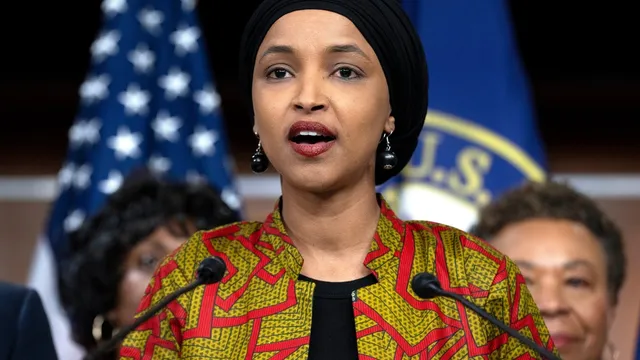
Ilhan Omar condemns Trump as a national embarrassment after his racist comments
Ilhan Omar condemns Trump as a national embarrassment after his racist comments
- During a recent speech, Trump made derogatory comments about Somalia and its immigrants.
- Omar labeled Trump's rhetoric as obsessed and beyond strange, emphasizing the need for serious help.
- Her comments highlight the broader issues of racism and bigotry impacting public discourse on immigration.
Story
In the United States, Congresswoman Ilhan Omar publicly criticized President Donald Trump following a speech he gave on December 7, 2025, in Mount Pocono, Pennsylvania. During this address, Trump used derogatory terms to describe countries like Somalia, referring to them as 'hellhole' and 's***hole' countries. This was part of a broader attack on immigrants, particularly those from Somalia, which he labeled as 'filthy' and 'disgusting'. Omar responded to these statements by calling them evidence of Trump's obsession with her, labeling his remarks as bigoted lies, and describing him as a national embarrassment. Omar's remarks resonate deeply considering the context of ongoing tensions surrounding immigration policies in the U.S. Trump's speech not only targeted Somali immigrants but also reignited conspiracy theories about Omar herself, including unfounded claims regarding her immigration status. These accusations, coupled with a recent uptick in threats against Omar, illustrate the hostile environment that often colors public discussions about immigration. The fallout from Trump's comments sparked outrage among supporters of immigrant rights and led to increased calls for accountability from Trump for what many perceive as racist rhetoric. As Trump continues to amplify divisive sentiments, media figures like Charlamagne tha God have also expressed their dissatisfaction with politicians who label Trump a fascist but still seek cooperation with him. Charlamagne highlighted a contradiction in the Democratic party's stance, suggesting that their actions undermine their stated positions. This dynamic plays out against a backdrop of intensifying political debates regarding race, immigration, and the role of public figures in shaping discourse. Omar's confrontation with Trump is symptomatic of these broader discussions, pointing to increasing polarization and the urgent need for constructive dialogue. Given the ongoing scrutiny of Trump's rhetoric and actions, Omar's statement adds another layer to the complex narrative surrounding American politics and immigration. With the growing pressure on both Democrats and Republicans to address the concerns of various communities, the unfolding events around Trump's comments are increasingly pivotal in shaping the political landscape leading up to the next election cycle.
Context
economic analysis data trends policy market trends data trends geopolitical analysis data insight shift analysis insight policy market market policy insight policy data shift geopolitical insight strategic impact economic policy strategic shift economic trends global data global economic market policy economic trends trends economic data strategic geopolitical insight policy insight insight economic impact economic insight economic economic insight policy insight data analysis trends shift shift trends strategic trends global analysis strategic economic data geopolitical impact analysis analysis trends geopolitical data...


