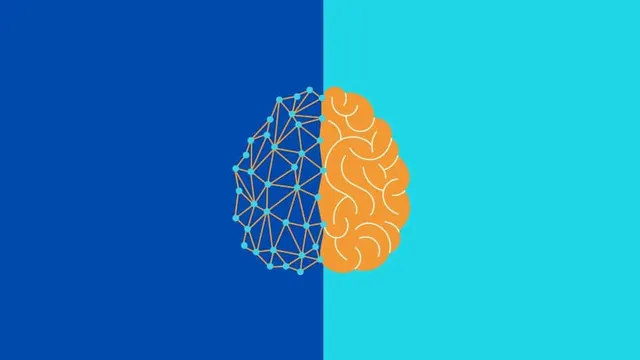
In recent discussions surrounding the intersection of science and human consciousness, Pope Leo's assertions have garnered attention from various fields, including physics and child development. Notably, researchers such as Santosh Helekar, Anirban Bandyopadhyay, and Stuart Hameroff, collectively referred to as the Quantum Cowboys, have provided evidence that aligns with Pope Leo's views on human physicality. Their work emphasizes the complexity of human needs and consciousness, suggesting that these aspects are far richer than mere data representations. This convergence of ideas from different disciplines highlights a growing recognition of the importance of understanding human consciousness in a holistic manner.
Additionally, the dialogue extends beyond the scientific community to include advocates for child development, who, despite their differing backgrounds, have reached similar conclusions regarding the impact of media on children. This cross-disciplinary agreement underscores the relevance of Pope Leo's insights, as they resonate with findings from both scientific research and practical advocacy. The implications of these shared conclusions suggest a need for a more integrated approach to understanding human development and consciousness.
Theoretical physicists often utilize simplified models to explain complex phenomena, and this practice is evident in the discussions surrounding Pope Leo's ideas. By employing idealized concepts, such as the 'ideal snake,' researchers aim to clarify the intricate relationship between the brain and body. However, the challenge remains in translating these theoretical models into practical understanding, particularly in the context of human consciousness and its implications for society.
Ultimately, the convergence of perspectives from scientists, advocates, and theorists highlights a significant moment in the exploration of human consciousness. As these discussions continue to evolve, they may pave the way for new insights and approaches to understanding the complexities of human existence, emphasizing the need for collaboration across disciplines to address the multifaceted nature of consciousness and development.