

DHS secretly buys warehouse in Arizona to detain immigrants
DHS secretly buys warehouse in Arizona to detain immigrants
- The Department of Homeland Security has acquired multiple warehouse spaces across the U.S. for the purpose of detaining illegal immigrants.
- Local communities often learn about these acquisitions through media rather than direct communication from federal authorities.
- This lack of transparency has caused significant concern and pushback from residents regarding public safety and resource allocation.
Story
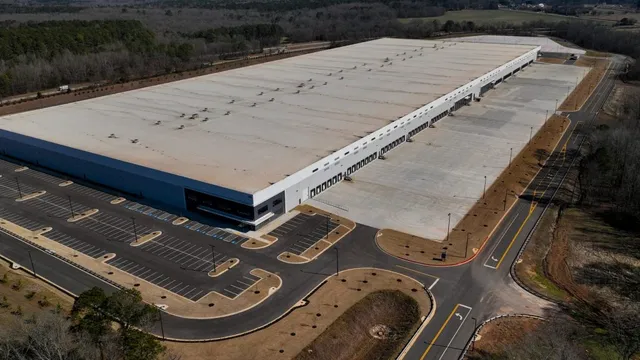
In Socorro, Texas, the Department of Homeland Security (DHS) acquired a significant warehouse space intended for detaining illegal immigrants, with a deal announced recently but completed before local officials were informed. The warehouse, covering 826,000 square feet, represents a part of ICE's broader strategy to expand detention capacity in various cities across the United States, with little to no prior communication to affected communities. In particular, Socorro and other towns discovered these developments through media reports and community activists rather than from federal communications. Local officials have expressed astonishment and concern over the agency's lack of transparency, as local communities are faced with the repercussions of such acquisitions. In Social Circle, Georgia, the DHS purchased a facility capable of housing 7,500 to 10,000 detainees, a number significantly exceeding the town's population of just 5,000, thus raising concerns about infrastructure capabilities whether water and sewage systems can accommodate such an increase in population. Moreover, the Phoenix suburb of Surprise found out through local media about DHS's purchase of a warehouse where it plans to house 1,500 detainees. Residents are understandably upset, noting they were not informed about the warehouse's purpose, which is located very close to schools and residential neighborhoods. This clandestine approach to expanding ICE's detention facilities has prompted communities to push back against the plans, citing concerns about public safety, local resources, and overall quality of life. As the community opposition rises, the situation reflects a larger narrative surrounding the federal government’s immigration policies and the Bush Administration’s efforts. With previous plans for mass detentions being met with local conflict, many communities are stepping forward to demand accountability and communication from DHS about their intentions. The issue of detaining immigrants amidst community resistance continues to draw attention to how policy decisions affect local populations, leading to an ongoing debate about immigration enforcement in America.


