In recent weeks, Ukraine has intensified its military operations against Russian oil refining sites, resulting in significant damage to over 50 facilities. This campaign aims to pressure Russia to cease its ongoing invasion of Ukraine. As a consequence, Russia has experienced a reduction in gasoline production by approximately 17%, leading to fuel shortages and rationing in various regions, particularly in Crimea. Motorists have faced long wait times to refuel, highlighting the impact of the conflict on everyday life in Russia.
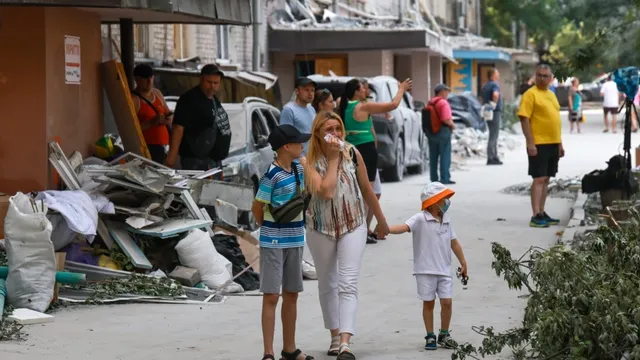
On the night of July 2, 2026, the Russian military executed a prolonged 11-hour bombardment of Kyiv, marking one of the deadliest attacks on the Ukrainian capital since the onset of the full-scale invasion. This assault resulted in the deaths of at least 30 individuals, further escalating the humanitarian crisis in the region. Ukrainian officials have condemned the attack, emphasizing the need for international support to counter the ongoing aggression.
Despite the mounting casualties and destruction, Russian President Vladimir Putin has downplayed the significance of Ukrainian strikes on Russian oil facilities, asserting that they do not affect military operations. He has maintained a firm stance against any ceasefire proposals, insisting that Ukraine must withdraw from territories it still controls in the Donetsk region. This refusal to negotiate has led to a stalemate on the battlefield, with both sides suffering heavy losses.
The situation remains dire as the conflict continues to evolve, with both Ukraine and Russia entrenched in their positions. The international community watches closely, as the humanitarian implications of the war grow more severe with each passing day. The ongoing fuel shortages in Russia and the devastating attacks on Ukrainian cities underscore the urgent need for a resolution to the conflict, which has already claimed countless lives and displaced millions.