

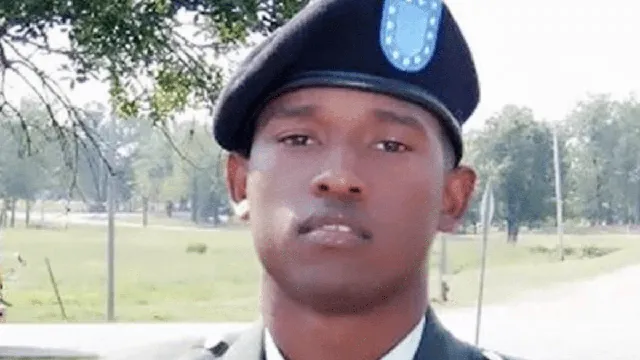
Former National Guardsman with ISIS ties kills at Old Dominion University
Former National Guardsman with ISIS ties kills at Old Dominion University
- Mohamed Jalloh was identified as the alleged shooter at Old Dominion University, where he killed one person and injured two others.
- He had previously served in the Army National Guard and was arrested in 2016 for attempting to support ISIS.
- His background has raised concerns about national security and immigration policies, leading to significant outrage online.
Story
In the United States, an alarming incident occurred on Thursday, March 12, 2026, when Mohamed Jalloh allegedly opened fire on the Old Dominion University campus in Norfolk, Virginia, resulting in one death and two injuries. The shocking details surrounding Jalloh’s background quickly surfaced, revealing that he had significant ties to ISIS. In July 2016, he was arrested and prosecuted in a high-profile federal terrorism case, where he was found guilty of attempting to provide material support to the Islamic State of Iraq and the Levant, often deemed as ISIL. His efforts included procuring weapons for what he believed would be a terrorist attack on U.S. soil. Following his conviction in 2017, Jalloh received an 11-year prison sentence along with five years of supervised release but was released from federal prison in 2024. Once released, he seemingly reintegrated into society until his recent violent act. This incident has sparked a wave of outrage among conservative activists and supporters of the Make America Great Again movement on social media, questioning how someone with such a dangerous history was allowed to remain in the country and was able to serve in the military. The FBI has opened an investigation into the shooting, categorizing it as a terrorist act and deploying the Joint Terrorism Task Force to assist local authorities. The incident not only highlights concerns regarding national security but raises serious questions about immigration policies and the military enlistment processes for individuals with past convictions related to terrorism. As the investigation unfolds, responses across different communities are shaping the discourse around immigration and the association of Jalloh's actions with broader issues surrounding Islamic extremism in the United States.


