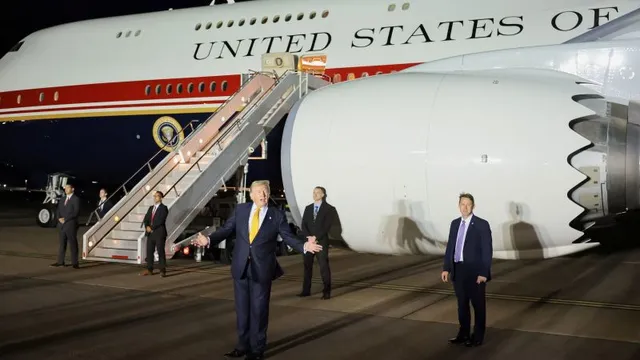
The Secret Service plays a critical role in ensuring the safety and security of the President of the United States during travel. This responsibility encompasses a wide range of protocols and procedures designed to mitigate risks and respond effectively to potential threats. The planning for presidential travel begins well in advance, often several months prior to the actual trip. The Secret Service conducts thorough assessments of the travel destination, including evaluating the local security environment, potential threats, and logistical considerations. This includes coordinating with local law enforcement and other agencies to ensure a comprehensive security plan is in place.
During presidential travel, the Secret Service employs a multi-layered security approach. This includes the use of advance teams that arrive at the destination ahead of the President to secure venues, establish communication lines, and prepare for contingencies. The advance teams are responsible for conducting site surveys, identifying potential vulnerabilities, and implementing security measures such as access control and crowd management. Additionally, the Secret Service utilizes a variety of transportation methods, including armored vehicles and aircraft, to ensure safe and efficient travel for the President and accompanying staff.
On the day of travel, the Secret Service implements strict protocols to manage the movement of the President. This includes coordinating motorcade routes, establishing secure perimeters, and monitoring for any unusual activity. The motorcade typically consists of multiple vehicles, including those carrying security personnel, medical staff, and communications equipment. The Secret Service also employs counter-surveillance techniques to detect and neutralize potential threats. Communication is key during these operations, with real-time updates being relayed to ensure that all team members are aware of the situation and can respond accordingly.
In addition to physical security measures, the Secret Service also focuses on intelligence gathering and threat assessment. This involves monitoring social media, analyzing potential threats, and collaborating with federal, state, and local agencies to stay informed about any developments that could impact the President's safety. The protocols for presidential travel are continuously reviewed and updated to adapt to evolving threats and to incorporate lessons learned from past incidents. Overall, the Secret Service's commitment to protecting the President during travel is a testament to their dedication and professionalism in safeguarding national leadership.