

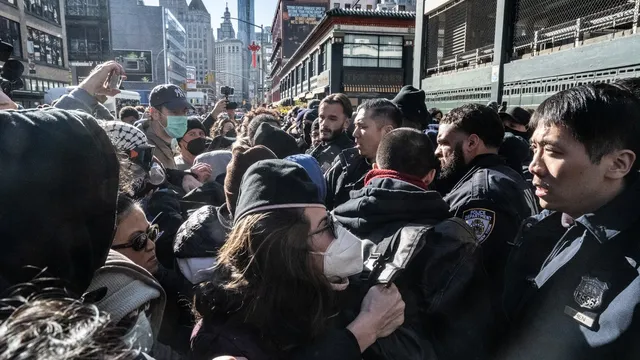
Protests erupt in New York City against ICE actions
Protests erupt in New York City against ICE actions
- Protesters in New York City aimed to block federal agents from carrying out an immigration raid.
- Multiple arrests were made as demonstrators clashed with law enforcement while throwing debris.
- These protests signify rising tensions and ongoing opposition to ICE's operations in urban areas.
Story
In New York City, a series of protests held in response to the actions of Immigration and Customs Enforcement (ICE) have intensified, reflecting growing tensions over immigration enforcement practices. On a Saturday in late November 2025, activists organized demonstrations near a parking garage where federal agents were reportedly planning to carry out a raid. Protesters, numbering around 200, barricaded entrances and blocked streets, demanding an end to ICE activities in the city. The confrontation continued despite police orders to disperse, leading to multiple arrests as demonstrators threw debris and attempted to impede federal operations. The protests are part of a broader backlash against ICE's immigration enforcement measures, which have drawn criticism from various community leaders and activists. Recently, the Department of Homeland Security has emphasized its dedication to removing undocumented migrants with criminal records, prompting deeper division and unrest in areas heavily impacted by immigrant communities. This incident follows an earlier raid in October that resulted in several arrests and heightened concerns over immigrant rights in New York. Protesters utilized physical barriers, such as garbage bags and recycling bins, to obstruct federal agents' vehicles, showcasing significant mobilization against perceived government overreach. Law enforcement agencies, including the New York City Police Department, reported taking action after receiving complaints about disorderly conduct and public obstruction. Demonstrators voiced their sentiments loudly through chants and signs, reiterating messages such as 'ICE out of New York!' These events indicate an escalating environment surrounding immigration policy enforcement in the U.S., particularly in cities where sanctuary policies are contested. Despite prior discussions among political leaders regarding the extent of federal presence in urban settings, the incidents this fall underscore ongoing tensions between federal enforcement efforts and community opposition, illuminating a pivotal moment in the ongoing discourse over immigration reform and civil rights in America.
Context
The impact of Trump's immigration policy in New York has been profound and multifaceted, influencing various aspects of life for immigrants and the broader community. The administration's approach, particularly the emphasis on border security and the reduction of legal immigration pathways, has created a climate of uncertainty among immigrant populations in the state. Many individuals have reported increased anxiety regarding their legal status and an apprehension about participating in public life, which has had ripple effects on the economy, healthcare, and education sectors. In New York, a state characterized by its rich diversity and significant immigrant population, the policies implemented during Trump's presidency led to a noticeable decline in the number of individuals seeking legal residency or citizenship. This decline not only affects those immigrants directly involved but also has broader implications for the workforce and local economies. Many industries, particularly those that rely on immigrant labor, such as construction, hospitality, and healthcare, have experienced labor shortages, which can hinder growth and increase costs for consumers. Moreover, the fear of deportation has made some immigrants hesitant to access essential services, including healthcare, further exacerbating health disparities. The educational system in New York has also felt the impact of these immigration policies. School enrollment numbers among immigrant children have fluctuated, as families face the choice of whether to remain in a potentially hostile environment or seek stability elsewhere. Teachers and administrators have reported challenges in supporting students who are grappling with trauma, fear, and uncertainty about their future. Additionally, the rhetoric and policies have fostered an environment that many feel is less welcoming, potentially undermining the social fabric that has traditionally characterized New York as a sanctuary for those seeking a better life. In contrast, the state has actively engaged in protective measures to counteract some of the federal policies, emphasizing New York’s commitment to being a refuge for immigrants. The establishment of programs aimed at providing legal assistance and promoting immigrant rights reflects statewide efforts to mitigate the adverse effects of federal immigration policy. However, the long-term consequences of the Trump administration's immigration strategies remain to be fully realized, as New York continues to navigate the complexities of its political and demographic landscape. This ongoing situation will be vital to monitor, as it holds implications not only for New York but for national conversations about immigration in the future.


