

Panama takes control of ports amid US-China tensions
Panama takes control of ports amid US-China tensions
- Panama's Supreme Court annulled the concession for two key ports previously operated by CK Hutchison, citing unconstitutionality.
- Panamanian authorities threatened employees with criminal charges if they did not vacate the ports as control was seized.
- The takeover reflects rising tensions between the U.S. and China over influence in the region and has led to legal challenges from CK Hutchison.
Story
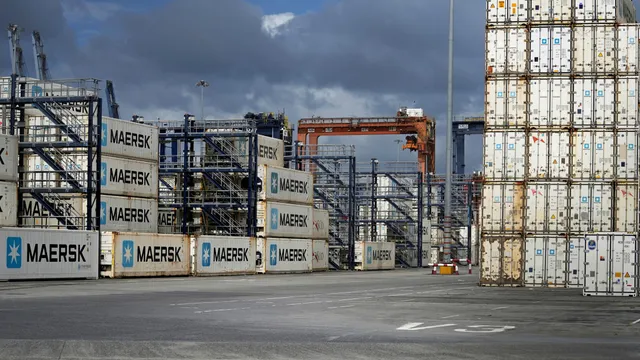
In January 2026, Panama’s Supreme Court ruled that the concession held by CK Hutchison’s subsidiary, Panama Ports Company, for operating the Cristóbal and Balboa ports was unconstitutional. This ruling enabled the Panamanian government to take control of the ports, affecting a vital shipping passage that manages about 5% of global trade. Following the court’s decision, Panamanian authorities intervened at the ports and ordered the removal of CK Hutchison employees, threatening them with criminal prosecution if they did not comply. Panamanian President José Raúl Mulino asserted that the government's actions were not expropriation but a necessary measure to maintain port operations while preparing for new concession agreements. The ports, strategically located at either end of the Panama Canal, have been operated under CK Hutchison since 1997. The sudden change in management has raised tensions between Panama, China, and the United States. The U.S. government has pressured Panama to diminish Chinese influence over the canal and its operations. In reaction to this takeover, CK Hutchison indicated its intention to pursue national and international legal action, claiming the process was unlawful and raised concerns about operational stability at the terminals. Hong Kong’s government expressed strong discontent against Panama's actions, arguing they undermined business rights and legal contracts. In contrast, China’s Ministry of Foreign Affairs condemned the court ruling, stating it would safeguard the rights of its companies operating abroad. Amid the fallout, Panamanian investigators began probing the offices of Panama Ports Company, suggesting possible legal violations linked to the concession’s management. With the Danish shipping firm Maersk appointed as the temporary operator, the situation has implications for global shipping and supply chains. The future of the ports and the ongoing legal battles could reshape alliances and power dynamics in the region, particularly regarding the influence of superpowers over strategic international trade routes.
Context
The control of Panama's ports plays a critical role in facilitating global trade, significantly influencing shipping routes and logistics. The Panama Canal, an integral artery for international maritime traffic, enables vessels to transit between the Atlantic and Pacific Oceans, drastically reducing the time and distance ships must travel. This strategic position underscores Panama's importance in international trade, where nearly 6% of global maritime trade passes through the canal. The operational management and control of ports in Panama, including those on the Caribbean and Pacific coasts, directly impact cargo handling efficiency, transit times, and, ultimately, the cost of goods transported globally. In recent years, the expansion and modernization of ports have enhanced their capacity, further solidifying Panama's status as a vital hub for global commerce. Furthermore, the implications of Panama's port control extend beyond mere logistics; they encompass geopolitical and economic dimensions. As countries across the world increasingly rely on efficient supply chains, any disruptions or changes in the management of Panama's ports can have cascading effects on international markets. For instance, regional trade agreements and partnerships often hinge on the seamless operation of Panama's ports, providing vital links between North America, South America, and Asia. The governance of these ports, therefore, not only shapes Panama's economic landscape but also influences global trade relationships, making stability and operational efficiency paramount. The environmental considerations related to port control in Panama are also noteworthy. The increasing volume of maritime traffic necessitates vigilant environmental management to mitigate the impact on biodiversity and local ecosystems. The Panamanian government has invested in sustainable practices to balance economic growth with environmental stewardship, acknowledging that the health of the surrounding environment is crucial for sustaining trade in the long term. This includes measures to enhance pollution control, manage waste effectively, and ensure that the natural beauty of Panama remains intact for future generations while maintaining its pivotal role in global trade. In conclusion, Panama's port control is a linchpin in the framework of global trade. Its effectiveness influences shipping times, costs, and broader economic ties amongst nations. As the world continues to navigate the complexities of international trade, the importance of Panama's ports becomes increasingly pronounced, particularly in light of growing global demands and environmental challenges. The ongoing investments in infrastructure and sustainability will not only enhance Panama's capacity but also reinforce its position as a key player in global maritime trade for years to come.


