

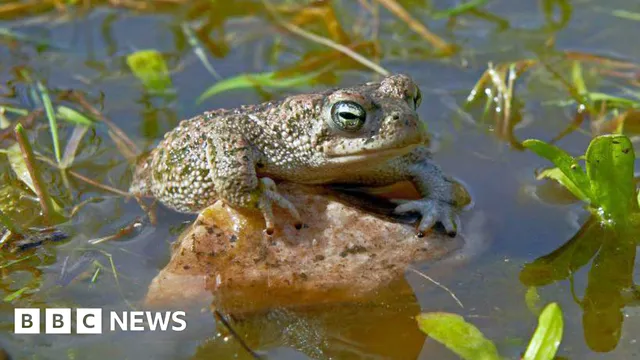
Natterjack toads face extinction due to rising salt levels in breeding sites
Natterjack toads face extinction due to rising salt levels in breeding sites
- A study in Scotland found that high salt levels in water are linked to the decline of natterjack toads.
- The research revealed that salinity affects hatching success and growth of toad embryos.
- Addressing water salinity is crucial for the survival and conservation of natterjack toads.
Story
In Scotland, a recent study has highlighted the critical impact of salt levels on the survival of natterjack toads, which are found in limited locations across the UK. The research, conducted by a team led by biologist Orton, focused on the natterjack toad colonies in Dumfries and Galloway. The study revealed that high salinity in water from former breeding sites was linked to failed hatching, smaller growth, and altered development of the toads. This alarming trend is contributing to the decline of natterjack toads, which have already seen a significant reduction in their populations across the UK. The team analyzed water samples from various sites, including Mersehead, where natterjack toads still survive, and compared them to other locations where the toads have disappeared. They measured key factors such as temperature, pH, and salinity, and exposed natterjack spawn to water from these sites. The findings indicated that some former breeding sites had salinity levels so high that no embryos survived to hatching. This is particularly concerning as size is crucial for the survival of tadpoles, with 95% of them falling prey to predators. The research underscores the importance of addressing water salinity in conservation efforts. Orton emphasized that while previous restoration efforts have focused on improving terrestrial habitats, such as clearing scrub and controlling vegetation, it is now clear that managing water salinity is equally vital for the survival of these amphibians. The natterjack toad plays a significant ecological role, serving as both predator and prey in its ecosystem. They contribute to controlling pest populations, such as slugs and midges, which makes their decline even more concerning for biodiversity. The study was supported by the Carnegie Trust and NatureScot and was published in the academic journal Ichthyology and Herpetology. Orton and her team conducted their research across seven sites in Dumfries and Galloway, highlighting the urgent need for action to protect the remaining natterjack toad populations. With amphibians being the fastest-declining vertebrate group globally, understanding the factors contributing to their decline is crucial for implementing effective conservation strategies.


