

New Zealand courts seek to limit publicity surrounding Brenton Tarrant's appeal
New Zealand courts seek to limit publicity surrounding Brenton Tarrant's appeal
- Brenton Tarrant, the Christchurch mosque shooter, is currently serving a life sentence without parole.
- He attempted to recant his guilty pleas during a recent court hearing that was largely closed to the public.
- New Zealand’s justice system aims to limit Tarrant's notoriety and lessen the ongoing distress to the victims' families.
Story
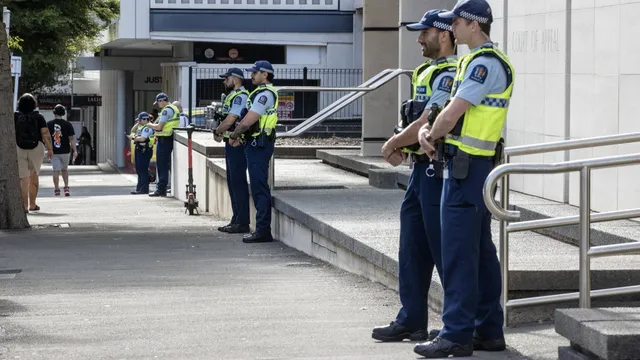
In New Zealand, a quiet court hearing marked the appeal of Brenton Tarrant, responsible for the 2019 Christchurch mosque shootings. Tarrant, who murdered 51 Muslims during prayers, appeared in a near-empty courthouse as his legal proceedings unfolded with minimal public presence. The Court of Appeal focused primarily on Tarrant's attempt to recant guilty pleas for terrorism, murder, and attempted murder, which resulted in his life sentence without parole. Crown lawyers highlighted the overwhelming evidence against Tarrant, including his own livestream of the massacre, arguing that his claims of mental illness held no merit. The delicate handling of Tarrant's appeal reflects New Zealand's commitment to diminishing the notoriety surrounding perpetrators of hate crimes, as suggested by the muted nature of the proceedings and the limited access granted to the public and media, marking a stark difference from previous high-profile racist mass violence cases internationally. As Tarrant's case continues, the Crown emphasized the emotional strain on victims and communities impacted by the attack, advocating to avoid a lengthy public trial that could reignite distress for survivors of the horrific events. If Tarrant's appeal fails, his case is set to return for further hearings regarding his sentence review, while remaining efforts to suppress public engagement with his racist ideology play a vital role in the ongoing legal framework in New Zealand.
Context
In recent years, New Zealand has taken significant steps to address the issue of hate speech within its legal framework. This focus reflects the growing recognition of the damage caused by hate speech in society, contributing to social division and the marginalization of vulnerable communities. Legal measures implemented by the New Zealand government aim to balance the protection of free speech with the imperative of safeguarding individuals from harm due to hate-driven rhetoric. These measures include updates to existing laws and proposed new legislation designed to effectively address and mitigate hate speech incidents while respecting the rights to freedom of expression. One of the key developments in New Zealand's approach to hate speech is the incorporation of specific provisions into the Human Rights Act 1993, which outlines that communication inciting violence or discrimination against people based on characteristics such as race, religion, gender, or sexual orientation is prohibited. Additionally, the New Zealand Bill of Rights Act 1990 guarantees the right to freedom of expression but does so while acknowledging the limits of this freedom when it comes to speech that can inflict harm on others. Thus, New Zealand's legal framework seeks to create a delicate equilibrium between allowing diverse viewpoints and protecting citizens against hate speech. The New Zealand government has also prioritized community education as a vital complement to its legal measures. Initiatives that promote understanding and respect among different cultures and groups are essential to countering hate speech effectively. Public campaigns, educational programs, and support systems for victims of hate speech are central to fostering a more inclusive society where individuals feel safe and respected, regardless of their backgrounds. The collaboration between governmental, non-governmental organizations, and communities underscores the holistic approach needed to combat hate speech. Future challenges remain as societal views on hate speech evolve and as new forms of communication, particularly in the digital realm, emerge. While legislation plays a critical role in addressing hate speech, enforcement and public acceptance of these laws are equally important in the broader fight against discrimination. Ongoing dialogue about the implications of hate speech and the protection of free expression will continue to shape New Zealand's legal measures, creating a dynamic legal landscape. Through these efforts, New Zealand aims to foster a more harmonious society that promotes diversity and inclusion while mitigating the risks associated with hate-fueled discourse.


