

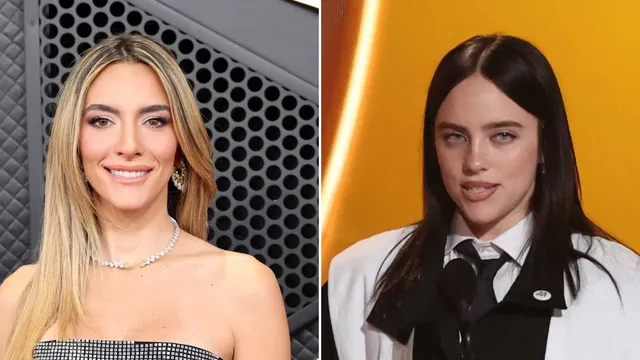
Mark Ruffalo defends Billie Eilish against Kevin O'Leary's attacks
Mark Ruffalo defends Billie Eilish against Kevin O'Leary's attacks
- Billie Eilish made strong anti-ICE comments during her Grammy acceptance speech.
- Kevin O'Leary criticized celebrities for using their platform for political statements.
- Mark Ruffalo and other celebrities rallied in support of Eilish, highlighting the importance of speaking out on social issues.
Story
In the United States, during the 2026 Grammy Awards, Billie Eilish used her acceptance speech for Song of the Year to voice her opposition to U.S. Immigration and Customs Enforcement (ICE), stating, "No one is illegal on stolen land" and advocating for ongoing protests against ICE. Her comments garnered a significant backlash from conservative figures, including television personality Kevin O'Leary, who condoned that celebrities should focus on entertainment rather than political commentary. He expressed this sentiment during an interview on Fox News, noting that artists risk alienating half their potential audience by making political statements. In response to O'Leary's remarks, actor Mark Ruffalo came to Eilish's defense, arguing that public figures should use their platforms to raise awareness on socially significant issues. Ruffalo’s passionate defense was echoed by other entertainers, including comedian Kathy Griffin, who supported his stance on social resistance. In a social media post, Ruffalo criticized O'Leary's double standard, pointing out that while O'Leary freely expresses his opinions on various topics, he disparages Eilish for doing the same. Eilish's brother, Finneas, also chimed in, urging those criticizing his sister to reflect on their own past actions and motivations. The controversy further gained traction as late-night host Bill Maher weighed in, suggesting that Eilish's comments lacked factual grounding and urging that celebrities should not lead political movements without a solid foundation of knowledge. Maher referenced the complexity of U.S. history regarding land ownership and immigration policies, questioning the practicality of such proclamations without plans for resolution. He posited that acknowledging the struggles faced historically should come with action toward addressing contemporary challenges, rather than merely performing symbolic gestures at award shows. As the dialogue surrounding Eilish’s Grammy speech continued, it underscored a larger cultural debate about the role of celebrities in political discourse. The incident has sparked discussions on the balance between artistic expression and responsible communication of complex socio-political issues. As more celebrities take sides, the public's reaction remains divided, illustrating the broader implications of celebrity activism in a polarized media environment.


