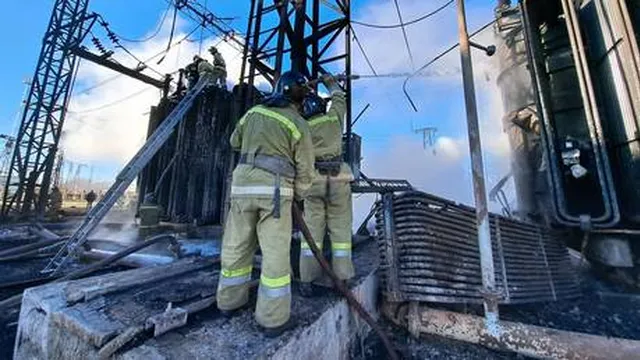
In recent discussions surrounding the ongoing conflict between Russia and Ukraine, Kremlin spokesman Dmitry Peskov emphasized the need for a stable and legally binding peace agreement rather than a temporary ceasefire. His remarks follow Ukrainian President Volodymyr Zelensky's proposal for a moratorium on energy strikes as Ukraine faces a dire energy crisis amid ongoing military action. The strikes from Russia have impaired Ukraine's energy infrastructure, compelling officials in Kyiv to implement rolling blackouts. Peskov insisted that a comprehensive and long-term peace deal is necessary to address the root causes of the conflict, dismissing short-term solutions as ineffective.
Kirill Dmitriev, a Kremlin envoy, also voiced concerns regarding the proposed temporary ceasefire. He claimed that Zelensky and his Western allies are attempting to manipulate the situation by suggesting a ceasefire that does not truly remedy the underlying issues fueling the conflict. During the discussions, it was noted that Zelensky is preparing to present a revised peace plan to U.S. negotiators underlining Ukraine's ongoing diplomatic engagements with its Western partners. Amidst a lull in diplomatic progress, both parties appear to be skirting around a significant resolution, hence emphasizing the need for long-lasting solutions.
In March, both Russia and Ukraine had previously agreed to a 30-day ceasefire for energy infrastructure which was negotiated after a call between then U.S. President Donald Trump and Russian President Vladimir Putin. However, Russian officials accused Ukraine of violating this ceasefire agreement through persistent attacks on essential energy sites. Russian military actions have been justified by citing responses to what they consider to be Ukrainian terrorist actions affecting Russian infrastructure. The consistency of Russian military targets has led to heightened tensions, affecting civilian life and prompting widespread condemnation.
Leaders from Western European nations have been pushing to play a larger role in peace negotiations, making demands perceived by Moscow as unacceptable. The Kremlin’s insistence on a durable and well-documented peace agreement highlights its intent to solidify the Russian perspective on conflict resolution while addressing its security concerns. As the human cost of the conflict continues to rise, the search for a balanced and long-term peace arrangement remains more critical than ever. The dynamic of the situation is ongoing with no immediate resolution in sight, creating uncertainty around the future of both countries.