

Ivory Coast buys unsold cocoa to save farmers from hardship
Ivory Coast buys unsold cocoa to save farmers from hardship
- Ivory Coast plans to purchase 700,000 tons of unsold cocoa stocks to support local farmers.
- Farmers have been facing severe hardship due to falling global cocoa prices, leading to unsold stocks.
- The government's efforts aim to stabilize the cocoa market and ensure farmers are compensated.
Story
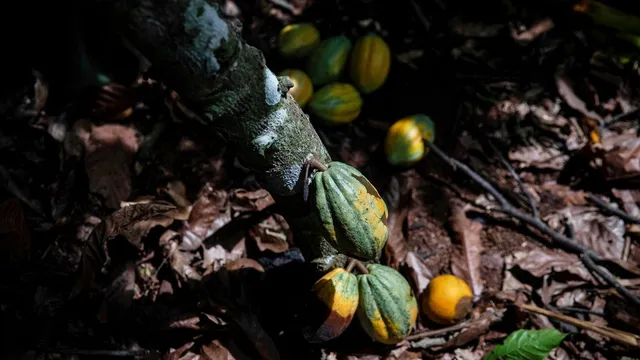
Ivory Coast, recognized as the leading cocoa producer globally, has recently announced its intent to purchase unsold cocoa stocks. This decision arose from a significant decline in global cocoa prices affecting local farmers. Since October 2025, weakening prices have led to a slowdown in exports, resulting in a buildup of unsold cocoa stocks estimated at around 700,000 tons. This backlog has left many farmers without income for nearly two months, forcing them to sell what little stock they have at a discount or, in some cases, destroy cocoa that has gone rotten due to the inability to transport it. Agriculture Minister Kobenan Kouassi Adjoumani addressed the concerns surrounding the situation, assuring farmers that the conditions of the market are under control. In his statement to the press, he expressed the government's commitment to commencing collection operations shortly to alleviate the pressures on farmers. Adjoumani reiterated that the government would purchase these unsold stocks at a guaranteed seasonal price, a strategy aimed at providing farmers a stable income amidst deteriorating market conditions. The government of Ivory Coast plays a crucial role in regulating cocoa prices unlike many other African nations, which allows it to stabilize farmer income and mitigate the impacts of global price fluctuations. Typically, about 85% of the cocoa harvest is sold in advance at a fixed rate, thereby shielding producers from market volatility. However, recent months have seen a drastic change with cocoa prices dropping to approximately $4,630 per metric ton, down from a record high of around $5,000 set in October 2025 prior to the presidential elections in the country. As multinational buyers have rejected the remaining stock due to current price conditions, the intervention by the government to purchase these unsold cocoa stocks remains critically significant for the welfare of the farmers. Despite the government's efforts, skepticism persists, particularly from the president of Synapci, Moussa Koné, who questioned the reliability of government promises. He also raised concerns for those farmers who had already disposed of unsellable cocoa during the ongoing crisis, highlighting the unforeseen consequences of the market's current state. The agriculture sector remains a backbone of Ivory Coast's economy, making these developments noteworthy for both farmers and the global cocoa market.


