

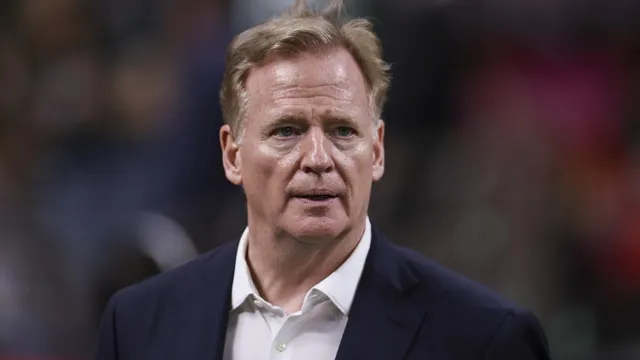
Roger Goodell weighs 18-game season despite player pushback
Roger Goodell weighs 18-game season despite player pushback
- Roger Goodell highlighted the uncertainty of transitioning to an 18-game NFL season and the need for collective bargaining.
- Robert Kraft expressed a hopeful view that all teams would one day adopt an 18-game season format.
- Player safety and the logistics of such a change remain significant concerns, illustrating the complexity of this potential shift.
Story
In recent discussions, NFL Commissioner Roger Goodell addressed the potential transition to an 18-game regular season during a press conference prior to Super Bowl LX. This event took place in San Francisco and sparked considerable interest and controversy among fans and players alike. Patriots owner Robert Kraft expressed optimism, predicting that every team would eventually adopt this schedule, which would replace one preseason game with regular-season games and include an international game each season. However, Goodell clarified that these plans were not set in stone, highlighting the need for further discussions with the NFL Players Association. Given that the current collective bargaining agreement is in place until the 2030 season, any changes will require meaningful negotiations, particularly concerning player safety and roster sizes. The conversation around extending the regular season is fraught with concern from players and fans alike about the implications of more games, which may increase injury risks and fatigue. Feedback from fans has been overwhelmingly critical, with many expressing disdain for the idea of an 18-game schedule and the resulting higher injury risk, while the NFLPA consistently opposes the expansion. This ongoing debate has its roots in historical context as well; in 1993, the NFL added a second bye week in a similar attempt to expand playtime, which ultimately led to disruptive routines for the teams. Goodell's prioritization of player safety and the need for thorough discussions indicates that the league is proceeding cautiously in exploring this significant shift in the regular-season structure.
Context
The impact of an 18-game NFL season on player health is a topic of growing concern among players, coaches, and healthcare professionals. An additional two games in the regular season raises important questions about the physical and mental endurance of athletes who consistently face the demands of high-intensity competition. Traditionally, NFL players endure a rigorous 16-game schedule, which already presents a significant risk for injury and long-term health issues. As the NFL considers expanding the regular season, stakeholders are increasingly aware of the need to address potential health ramifications that could arise, especially given the already high rate of injuries observed in the sport. Physiological research indicates that the risk of injury increases with higher exposure to athletic activity, particularly in a contact sport like football. An 18-game season could exacerbate this risk with players experiencing greater fatigue and possibly leading to a decrease in performance. Studies have shown that fatigue can impair reaction time and decision-making, ultimately increasing the probability of both acute and chronic injuries. Moreover, the accumulated toll on players' bodies can lead to longer recovery times, and in some cases, contribute to debilitating conditions such as chronic traumatic encephalopathy (CTE), which has been linked to repeated head injuries in professional football players. In light of these concerns, the NFL and its medical teams are exploring ways to mitigate the effects of an extended schedule on player health. This includes potential changes in training regimens, more advanced injury prevention protocols, and enhanced medical oversight during games and practices. One approach could be to implement more robust player monitoring systems that track their physical performance and recovery, allowing for timely interventions when signs of overexertion or injury risks are detected. Additionally, there may be a need for increased emphasis on players' mental health, as the pressures of an extended season can also contribute to stress and anxiety, which can affect their overall well-being and performance. Ultimately, the NFL's decision to expand the regular season must be informed by comprehensive research into the long-term effects of such changes on player health. Engaging in collaborative discussions with medical professionals, former players, and advocates for athlete safety can help ensure that the effects of an 18-game season are fully understood. This collective effort will be essential to protect the players who dedicate their lives to the sport while balancing the demands of entertainment and financial viability. As this dialogue continues, it is imperative that the health of the players remains a top priority, ensuring that the commitment to their safety is upheld in conjunction with the evolution of the game.


