

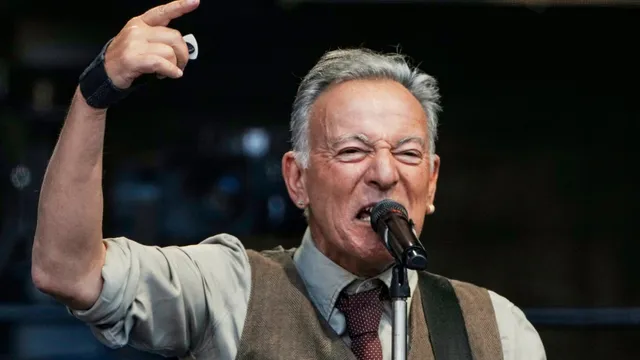
Bruce Springsteen dedicates song to immigrant victim amid ICE criticism
Bruce Springsteen dedicates song to immigrant victim amid ICE criticism
- Bruce Springsteen performed at the Light of Day Winterfest on January 17, 2026, in New Jersey.
- He dedicated his song 'The Promised Land' to Renee Good, who was killed by an ICE officer in Minneapolis earlier in January.
- Springsteen condemned the actions of ICE and called for accountability during his performance.
Story
In the United States, Bruce Springsteen dedicated his 1978 song 'The Promised Land' to Renee Good during a performance at the Light of Day Winterfest on January 17, 2026. Good was tragically killed by an ICE officer in Minneapolis on January 7, leading to widespread protests and criticism against immigration enforcement methods. Springsteen condemned the federal crackdown on immigrants and criticized the Trump administration's handling of law enforcement, referring to ICE activities as 'Gestapo tactics' when addressing the audience at the event in Red Bank, New Jersey. The artist's dedication to Good highlighted the ongoing tensions around immigration policies in the country. The shooting of Renee Good occurred when an ICE officer, Jonathan Ross, fired upon her SUV as it pulled away during an immigration enforcement operation. According to reports, Good, a mother of three, was behind the wheel when the incident occurred. ICE claimed the officer acted in self-defense, citing the SUV as a potential deadly weapon. This incident sparked outcry from local officials, including Minneapolis Mayor Jacob Frey, who called for ICE to withdraw from the city. Many citizens expressed outrage, demanding accountability for Good's death and calling attention to the aggressive tactics used by federal agents. The aftermath of Good's death saw protests erupt across various cities, highlighting the fear and anger within communities regarding immigration enforcement. Activists and celebrities, including Mark Ruffalo, have publicly criticized the administration's approach and showed support for the victims of police violence. Springsteen's bold statements during his performance echoed these sentiments, emphasizing that current times are a test of America’s foundational values. As discussions around immigration policy continue to dominate the national discourse, Springsteen's performance served as both a tribute to Renee Good and a deeper commentary on the social issues facing the United States today. His message resonated with many present, urging them to stand against practices they see as violating the ideals of justice and fairness. By dedicating his song to Good, Springsteen also aimed to inspire a call for change and a collective response to the current political climate.
Context
The impact of Immigration and Customs Enforcement (ICE) tactics on immigrant communities has been a subject of intense scrutiny and debate. Over the past several years, heightened enforcement actions have instilled fear among vulnerable populations, leading to significant psychological and social repercussions. Many immigrants, regardless of their legal status, experience heightened anxiety and stress due to the threat of arrest and deportation. This trepidation extends not only to those directly targeted by ICE but also to their families and wider communities, which often feel as though they are living under constant surveillance. Families may choose to avoid public spaces, such as schools or medical facilities, to prevent encounters with law enforcement, contributing to a climate of fear and isolation. The chilling effect of ICE tactics thus permeates deeply into the fabric of these communities, inhibiting access to essential services and undermining social cohesion. Moreover, the tactics employed by ICE have raised ethical concerns regarding the human rights implications for immigrants. Reports of aggressive enforcement actions, including workplace raids and home arrests, often involve tactics that many characterize as overreaching. These actions can produce traumatic experiences for individuals, including children who witness the arrest of their parents or guardians. Additionally, there are numerous accounts of violations of due process, as individuals can be arrested without warrants or be detained for prolonged periods without proper legal representation. These systemic issues highlight the need for a reevaluation of ICE's approach and practices, showcasing the pressing necessity for policies that prioritize the safety and dignity of all individuals, regardless of immigration status. The economic implications of ICE tactics also merit attention, as immigrant communities often play a significant role in local economies. When fear of deportation leads individuals to withdraw from the workforce, businesses can suffer due to the loss of essential labor. In agriculture and service sectors, for instance, many industries rely heavily on immigrant workers. The disruption caused by ICE raids and enforcement actions can create labor shortages, drive up costs, and ultimately affect the pricing of goods and services. Furthermore, local businesses may see declining consumer spending as immigrant families prioritize saving for potential legal expenses over discretionary spending. This economic ripple effect underscores that the impact of ICE’s tactics extends beyond individual lives, affecting local economies and communities at large. Finally, community responses to ICE actions reveal the resilience and solidarity among immigrant populations. Grassroots organizations have emerged to provide legal assistance, community education, and support networks for those affected by immigration enforcement. These groups often work to advocate for policy changes aimed at protecting immigrants' rights and fostering understanding among residents and local authorities. Efforts to build trust between immigrant communities and law enforcement have also been initiated in many areas to mitigate fear and improve cooperation in addressing crime and safety concerns. The resolve of these communities illustrates a pathway towards healing and advocacy, encouraging a shift from punitive measures to a more humane approach in dealing with immigration issues, ultimately enhancing the overall well-being and integration of immigrants into society.


