

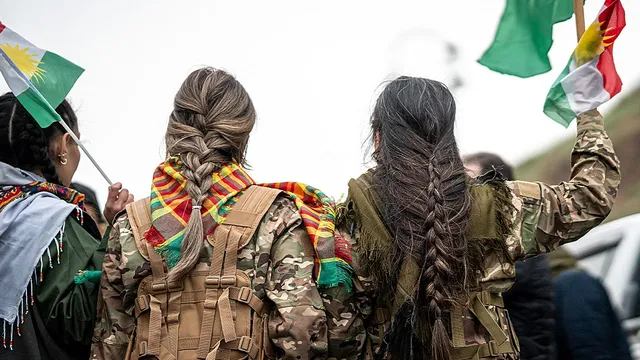
Turkey celebrates major military gains against Kurdish forces in Syria
Turkey celebrates major military gains against Kurdish forces in Syria
- For years, Kurdish forces were crucial allies for the West in combating the Islamic State, but they are now losing control in northeast Syria.
- Turkey celebrates significant military victories as the Syrian government succeeds against Kurdish-led forces, reshaping regional alliances.
- The future of Kurdish territories remains uncertain, potentially impacting stability and peace efforts both in Syria and Turkey.
Story
In recent weeks, significant developments have unfolded in Syria, particularly in the northeast, where Kurdish forces long allied with Western powers against the Islamic State are now facing substantial territorial losses. Following intense confrontations with Syrian government forces, the Syrian Democratic Forces (SDF) have reportedly collapsed in the region. This downfall comes after a failed agreement to integrate Kurdish territories into a post-Assad government system. Amid a temporary ceasefire, there are growing concerns regarding the fate of thousands of ISIS prisoners and their families held in the area. The U.S. military confirmed it had begun transferring some of these prisoners to Iraq. Turkey, which has historically viewed Kurdish groups as a threat, has expressed satisfaction with the Syrian government's recent successes against the SDF. President Recep Tayyip Erdogan has declared that Turkey does not support any separatist movements near its borders that would compromise national security. The control loss by the SDF, largely attributed to the swift offensive led by interim President Ahmad al-Sharaa, has created opportunities for Turkey to address its long-standing conflict with the Kurdistan Workers' Party (PKK). This shift in control comes on the heels of a significant change in U.S. policy; the United States has redirected its support from the Kurdish-led entities to the newly formed Syrian government. This change signifies a strategic pivot by Washington, which has opted to engage with the official governing bodies instead of non-state actors. Analysts suggest that strong ties between U.S. President Donald Trump and Erdogan may have facilitated this shift, highlighting broader implications in regional politics and alliances. However, experts caution that the newly gained territories might not be stable if the Syrian government cannot maintain order beyond military victories. The harmonious relations among different stakeholders will be crucial to ensure long-term peace in the region. The pro-Kurdish political party in Turkey has warned that violence against Kurds in Syria could contradict peace efforts in Turkey itself, raising tensions between the Kurdish community and Turkish authorities. As new dynamics unfold in Syria, the international community is closely watching how the situation developments may affect global counter-terrorism strategies and regional security frameworks.
Context
impact insight trends geopolitical data trends geopolitical shift geopolitical shift strategic geopolitical analysis global policy market analysis impact economic market insight market shift global data geopolitical economic geopolitical insight economic analysis shift policy geopolitical trends analysis market economic strategic data data trends insight geopolitical geopolitical analysis geopolitical policy trends geopolitical shift shift impact geopolitical analysis analysis policy data economic impact strategic insight global shift impact insight shift insight data trends insight global economic impact insight global analysis data trends analysis...


