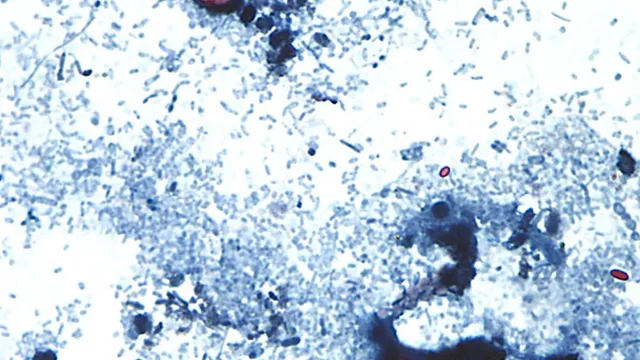
The cyclospora outbreak in July 2026 has raised significant public health concerns, as the parasite Cyclospora cayetanensis is known to cause gastrointestinal illness in humans. This outbreak has been linked to contaminated food sources, particularly fresh produce, which has been a common vector for the transmission of this pathogen. Symptoms of cyclospora infection typically include watery diarrhea, loss of appetite, weight loss, stomach cramps, and fatigue, which can lead to severe dehydration if not managed properly. The Centers for Disease Control and Prevention (CDC) and local health departments are actively investigating the source of the outbreak to implement control measures and prevent further spread of the infection.
As of mid-July 2026, health officials have reported a notable increase in cases across several states, prompting a nationwide alert. The investigation has focused on identifying specific food items that may be responsible for the outbreak. Preliminary findings suggest that certain batches of fresh produce, particularly leafy greens and berries, may be implicated. Consumers are advised to wash all fruits and vegetables thoroughly and to stay informed about any recalls or advisories issued by health authorities.
In response to the outbreak, public health agencies are enhancing surveillance and testing protocols to quickly identify and isolate cases. Healthcare providers are being urged to report suspected cases of cyclospora infection to facilitate timely intervention. Additionally, educational campaigns are being launched to inform the public about the importance of food safety practices, including proper washing and cooking techniques to reduce the risk of infection.
The ongoing investigation and response efforts highlight the critical need for collaboration between public health officials, food safety regulators, and the agricultural sector. As the situation develops, it is essential for the public to remain vigilant and adhere to health advisories. Continued monitoring and research will be necessary to fully understand the scope of this outbreak and to implement effective prevention strategies moving forward.