

Kevin Hassett hints at major Federal Reserve changes if appointed
Kevin Hassett hints at major Federal Reserve changes if appointed
- Kevin Hassett is favored to replace Jerome Powell as Fed Chair amidst concerns of undermined independence.
- He aims to refocus the Fed on monetary policy and plans to overhaul staff and research divisions.
- Such potential changes could shift the Fed's role towards political influence rather than economic expertise.
Story
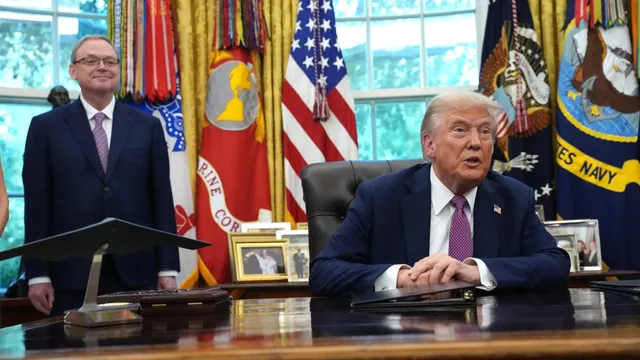
In the United States, Kevin Hassett, the Director of the National Economic Council, has been identified as the leading candidate to succeed Jerome Powell as the Chair of the Federal Reserve. His potential nomination has raised alarms regarding the independence of the central bank, especially considering his close ties to President Donald Trump, who is perceived to have exerted undue pressure on the Fed in the past. Economist Justin Wolfers has warned that Hassett's appointment could represent a worrying shift towards the politicization of the Federal Reserve's decision-making processes. Hassett has publicly hinted at intentions to radically overhaul the Federal Reserve to refocus its efforts on monetary policy and to eliminate political influences affecting its operations. He has indicated a desire to reduce the number of staff positions within the institution and to reevaluate the effectiveness of its economists, suggesting that only those demonstrating exceptional forecasting abilities should remain. This stance reflects a broader sentiment that has emerged amid concerns over inflationary pressures in the U.S. economy and the Fed's consistent decisions to maintain interest rates amid external inflations. The backdrop to this discussion is a concerning economic climate, similar to that experienced in Turkey, where pressure from the government led to a dramatic rise in inflation rates. Comparisons have been drawn by critics to underscore the dangers of appointing leaders to such pivotal financial roles based on loyalty rather than economic expertise. The potential for the Fed, an institution designed to operate independently from the political sphere, to become a tool of the president induces skepticism about the preservation of its foundational objectives. Amidst these discussions, many voices, including former economists and advisors, have emphasized the critical importance of maintaining the Fed's independence. They argue that political influence can undermine the effectiveness of the bank's policies, which are vital for stabilizing and guiding the economy. As of now, Hassett remains the favored candidate, with odds of about 80 percent that he will be nominated to the position, indicating strong support from the president, which ultimately shapes the future of U.S. monetary policy.
Context
data economic policy analysis global geopolitical analysis trends impact market geopolitical global economic global geopolitical analysis strategic data impact economic economic economic data insight economic analysis policy geopolitical global policy analysis global analysis policy analysis analysis data analysis geopolitical strategic data economic data data trends analysis trends data policy geopolitical policy impact market economic economic global analysis strategic trends global strategic global geopolitical analysis analysis shift analysis market insight strategic shift geopolitical data strategic policy policy impact trends global economic...


