

Navy mishaps expose stress and danger during Houthi combat operations
Navy mishaps expose stress and danger during Houthi combat operations
- Investigations revealed multiple costly mishaps involving USS Truman and USS Gettysburg during Houthi combat operations.
- Crew stress and fatigue were significant factors contributing to mistakes and accidents.
- The findings serve as a wake-up call for the Navy regarding operational readiness and the effects of extended deployments.
Story
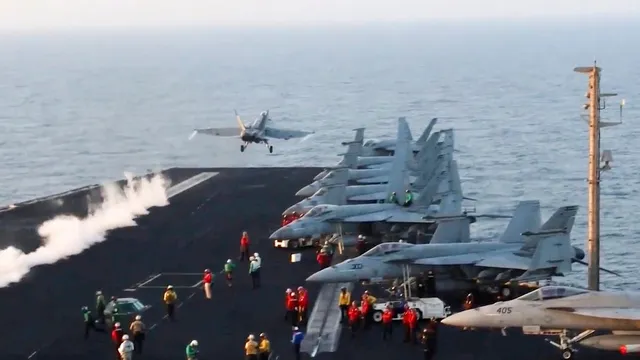
The United States Navy has faced significant challenges during its campaign against Yemen's Houthi rebels, particularly concerning several high-profile mishaps involving the aircraft carrier USS Harry S. Truman and cruiser USS Gettysburg. The investigations released recently detailed a series of accidents that occurred during this deployment, highlighting how extensive stress and operational demands impacted decision-making processes on board. The campaign began in October 2023, with Houthi militants launching drone and missile attacks against U.S. and allied vessels in the Red Sea, which escalated into a month-long bombing campaign early this year. During this period, the USS Truman experienced numerous operational pressures and high-stress levels, resulting in avoidable accidents including a collision with a merchant ship and an incident of friendly fire that led to the downing of one of its own fighter jets, among other costly errors. The cumulative financial impact of these incidents exceeded $100 million, and while there were no fatalities, the potential for disaster was significant. Reports indicated that the Truman’s crew, largely overwhelmed by the ongoing pressures of combat, exhibited signs of severe fatigue and strain, with many sailors losing sight of their mission's core objectives. An investigation found that there was a culture of 'just get it done' that exacerbated the already challenging conditions, leading to insufficient training and overreliance on technology amidst the crew's heightened stress levels. The most critical moments occurred during operations when the crew’s reduced alertness led to split-second decisions that had dire consequences. In one instance, the USS Gettysburg mistakenly identified F/A-18F fighter jets from the Truman as hostile threats and opened fire, reflecting poor training and poor situational awareness within the combat information center. The effect of combat stress was further illustrated by investigations that noted several sailors on the Truman were sleep-deprived and unable to effectively carry out their responsibilities. When the carrier was navigating busy waters, an officer's failure to recognize the risks resulted in a collision that could have potentially put the lives of 120 sleeping sailors in jeopardy. These findings have raised alarms within the Navy, with experts urging a reevaluation of how extended deployments are managed and emphasizing the need for better training, resource management, and preparedness for high-intensity operations in the future.


