

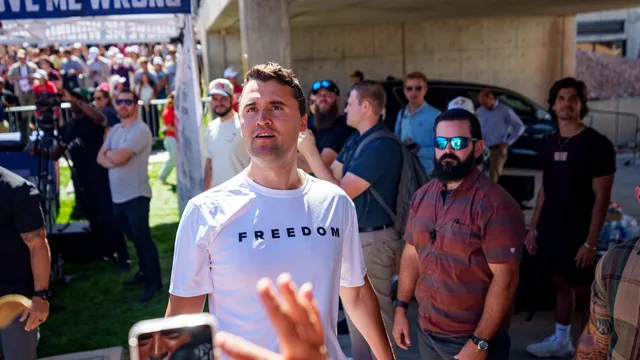
Judge rules against defense in Charlie Kirk assassination case
Judge rules against defense in Charlie Kirk assassination case
- The defense for Tyler Robinson, accused of killing Charlie Kirk, sought to disqualify prosecutor Chad Grunander due to a claimed conflict of interest.
- Judge Tony Graf ruled that the argument did not meet the standards for disqualification, emphasizing that there was no evidence of personal bias.
- This ruling allows prosecutors to continue seeking the death penalty against Robinson as the case proceeds.
Story
In February 2026, a significant legal decision was made by Utah District Court Judge Tony Graf regarding the prosecution of Tyler Robinson, the accused shooter in the killing of conservative activist Charlie Kirk. The incident occurred on September 10, 2022, at Utah Valley University, where Kirk was shot during a rally. Following the tragedy, tensions arose during the legal proceedings as Robinson's defense team sought to disqualify Deputy Utah County Attorney Chad Grunander, arguing that Grunander's daughter had been present during the shooting, which could create a conflict of interest in the prosecution. During the court hearing, the defense asserted that Grunander's connection to the event led to emotional biases that influenced the decision to pursue the death penalty against Robinson and implicated investigative decisions. However, Judge Graf expressed his judgment that the situation did not meet the legal standards required to disqualify a prosecutor. He stated that there was no significant risk of bias stemming from Grunander's family relationship, as there was no direct personal interest in the case. Throughout the proceedings, Judge Graf examined the evidentiary records and past cases involving prosecutor disqualifications. He made it clear that a prosecutor's potential emotional response does not disqualify them from seeking justice in court. Grunander’s daughter testified that she did not capture video of the shooting, and Utah County Attorney Jeffrey Gray confirmed that discussions about the death penalty had occurred prior to any arrests being made, stating that personal ties did not influence prosecutorial decisions. As the case continues, the focus remains on ensuring fairness for Robinson while balancing public and media interests in this high-profile case. The judge has acknowledged objections related to potential media bias affecting the trial's atmosphere and has granted requests for limited media access. The significant public interest in the outcome of this trial reflects on the broader dialogue about justice and accountability, particularly in cases involving public figures. Decisions made in this courtroom will impact not only the individuals involved but also the community and the policies surrounding prosecutorial conduct.
Context
Prosecutorial conduct in high-profile cases is a critical aspect of the justice system that can significantly impact the outcome of trials, the public's perception of justice, and the overall integrity of legal processes. Given the increased scrutiny that surrounds high-profile cases, it is vital for prosecutors to adhere to strict ethical standards, transparency, and fairness. This report aims to explore the implications of prosecutorial conduct in these cases, highlighting instances of misconduct, the repercussions of such behavior, and recommendations for improving prosecutorial accountability. High-profile cases often attract media attention and public interest, which can lead to heightened pressure on prosecutors. This pressure may result in a variety of prosecutorial conduct issues, including overzealousness in the pursuit of convictions, potential withholding of evidence, or even misuse of resources. Examples of questionable conduct include prosecutorial misconduct during jury selection, failure to disclose exculpatory evidence, or making prejudicial statements that could influence jurors. Such behaviors threaten the principle of a fair trial, which is fundamental to the justice system. The consequences of prosecutorial misconduct can be severe, impacting not only the defendants but also the integrity of the legal system itself. Wrongful convictions can occur as a result of prosecutorial malfeasance, which not only tarnishes the lives of innocent individuals but also undermines public trust in law enforcement and the legal process. Additionally, systemic issues within prosecutorial offices, including lack of oversight and accountability measures, can perpetuate a culture where misconduct is tolerated or overlooked. Addressing these systemic issues is crucial to restoring public confidence in the legal system. To mitigate the risks associated with prosecutorial misconduct, several recommendations can be implemented. Establishing robust oversight mechanisms, such as independent review boards, can help ensure accountability. Furthermore, enhancing training for prosecutors on ethical standards and the importance of transparency could foster a culture of integrity. Finally, promoting a collaborative relationship between the various stakeholders in the justice system, including defense attorneys and judges, can help create checks and balances that protect against prosecutorial overreach. By prioritizing ethical conduct in high-profile cases, the justice system can better uphold its commitment to fairness and justice for all.


