

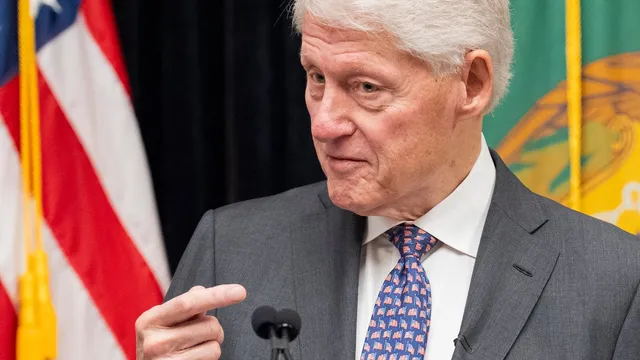
Bill Clinton faces grilling over Epstein connections
Bill Clinton faces grilling over Epstein connections
- Bill Clinton's testimony will probe his known interactions with Jeffrey Epstein.
- The closed-door deposition occurs in Chappaqua, New York, marking a significant political event.
- The scrutiny on Clinton's past associations with Epstein raises questions about judgment and accountability.
Story
In the United States, former President Bill Clinton is poised to testify in a closed-door deposition regarding his connections to Jeffrey Epstein, the convicted sex offender who died in jail in 2019. This unprecedented event marks the first time a former U.S. president has been compelled to appear before Congress in over four decades. Clinton’s testimony is scheduled to occur in Chappaqua, New York, where the Clintons reside, and comes on the heels of similar questioning directed at his wife, Hillary Clinton. She recently appeared before the House Oversight Committee, stating she had no recollection of meeting Epstein and had never traveled on his plane. The Republican-led committee is focusing on the extensive evidence linking both Clintons to Epstein and his former associate Ghislaine Maxwell. Clinton has maintained he broke ties with Epstein before the financier's legal troubles surfaced and has denied ever visiting Epstein's private Caribbean island, despite photos and allegations that highlight their association. Lawmakers intend to scrutinize Clinton's judgment and actions surrounding his relationship with Epstein, whose connections have raised questions about social accountability among high-profile individuals. Committee Chair James Comer has indicated that he expects the questioning of Clinton to be comprehensive and lengthy, reflecting concerns over how the Clintons handled their relationship with Epstein, especially after Epstein's 2008 conviction. This is not only a matter of legality but a test of public perception and political judgment, leading many to question the ramifications of accepting social ties with someone with a notorious criminal background. The disclosures of new documents and photographs related to Epstein's dealings have intensified the scrutiny on the Clintons, even as they assert their innocence of any wrongdoing. The ongoing investigation showcases the complexities of high-profile networks and the importance of transparency, particularly when dealing with sensitive issues such as human trafficking and abuse. With these pressured diplomatic practices unfolding, the discourse surrounding the Clintons’ association with Epstein may have significant political ramifications, potentially affecting public trust in former leaders who are seen in connection with criminal figures.
Context
The impact of the Epstein scandal on political careers has been significant and multifaceted, shaping the trajectories of numerous individuals across both major political parties. The scandal, which first came to light in the early 2000s but gained renewed scrutiny following Epstein's arrest in 2019, has become a defining issue for many politicians. Allegations surrounding Epstein's connections to influential figures, including politicians, have created an environment of suspicion and accountability, forcing many to reassess their associations and behaviors as public figures. This has not only affected those accused directly but has also influenced the broader political landscape, leading to increased calls for transparency and reform within political institutions. Numerous political figures have faced repercussions due to their past ties to Epstein. Some politicians have had to resign from their positions or withdraw from their candidacies due to the public backlash against their associations with Epstein or his associates. This has particularly been the case for those whose relationships with Epstein came to light in a damaging manner, such as Prince Andrew of the British royal family, whose ties resulted in severe public and institutional fallout. In the United States, figures like former President Bill Clinton and former New Mexico Governor Bill Richardson have also been scrutinized for their connections to Epstein, prompting discussions about ethical conduct and the responsibilities of political leaders to dissociate from individuals involved in criminal activities. The scandal has also spurred legislative and regulatory efforts aimed at addressing issues of sexual exploitation and abuse of power within politics. In response to public outcry, various lawmakers have proposed and supported bills focusing on trauma-informed responses to abuse, improved reporting mechanisms for victims, and stricter penalties for those exploiting their positions. This has led to a shift in political discourse, with candidates increasingly prioritizing issues related to sexual harassment and abuse in their platforms, recognizing that voters expect accountability and integrity from their leaders. As a result, many political careers are now intertwined with the broader societal push for justice and reform surrounding these issues, compelling a reevaluation not only of individual politicians but also of political norms and practices. As we look toward the future, the Epstein scandal is likely to continue influencing political dynamics. The increased scrutiny of political donations, lobbying efforts, and personal conduct will likely remain a priority for voters. Additionally, new candidates entering the political arena will find themselves under heightened observation regarding their personal and professional associations. The demand for accountability and ethical conduct may ultimately lead to more stringent regulations and a culture that discourages complicity with malign influences. As the repercussions of the Epstein scandal unfold, its legacy may reshape the political environment, empowering constituents and reform-minded leaders to challenge the status quo, thereby ensuring that such scandals elicit a more vigorous response from both the public and political institutions.


