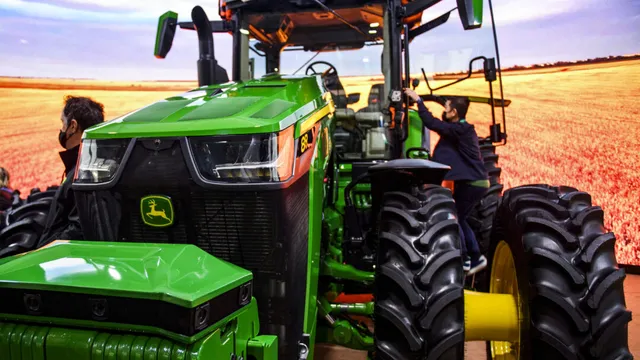
On July 8, 2026, Deere & Company, a prominent farm equipment manufacturer in the United States, reached a settlement with the Federal Trade Commission (FTC) and five U.S. states. The lawsuit accused Deere of unlawfully restricting farmers' ability to repair their own equipment by mandating that they use authorized dealers for repairs. This practice was seen as a means for Deere to maintain monopoly power over repair services, leading to increased costs and delays for farmers. The FTC's complaint highlighted that Deere's software repair tools were only available to authorized dealers, which limited farmers' options for repairs.
The settlement requires Deere to provide farmers and independent repair shops with the same repair tools and software capabilities that it offers to its authorized dealers for the next ten years. This change is expected to empower farmers to perform their own repairs, thereby reducing their reliance on authorized dealers and potentially lowering repair costs. The FTC's Bureau of Competition director, Daniel Guarnera, emphasized that this settlement restores farmers' traditional rights to repair their own equipment without incurring additional costs from authorized dealers.
In addition to providing access to repair tools, Deere will be subject to strict oversight and reporting requirements to ensure compliance with the settlement terms. While Deere did not admit to any wrongdoing, the company expressed its commitment to enhancing customer access and repair flexibility. This agreement is seen as a significant step towards improving the rights of farmers and addressing anticompetitive practices in the agricultural equipment market.
The lawsuit and subsequent settlement reflect a broader movement towards consumer rights and the right to repair, which has gained traction in various industries. The FTC's actions are part of a larger initiative to combat restrictive practices that limit consumers' ability to repair their own products. The outcome of this case may influence similar cases in other sectors, as consumers and advocacy groups continue to push for greater access to repair resources and tools.