

politics
controversial
local
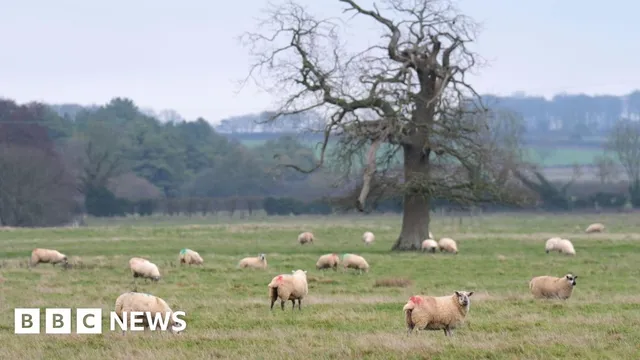
Norfolk council restricts solar energy development on farmland
Feb 4, 2026, 11:00 AM20
(Update: Feb 5, 2026, 12:01 PM)
politics
controversial
local
Norfolk council restricts solar energy development on farmland
- Norfolk County Council has pledged to protect its farmland by not allowing any solar farms.
- Stakeholders argue that the area has sufficient solar farms and need to prioritize food production.
- The council's decision reflects ongoing tensions between renewable energy projects and agricultural land conservation.
Insights
News 2 2
Reports
Opinions
Story
“
impact trends policy global market economic economic data market shift market trends economic insight policy trends global policy policy trends insight global analysis trends strategic trends strategic trends strategic strategic insight impact trends shift analysis strategic trends economic strategic global market trends global analysis analysis insight data insight insight trends policy data global geopolitical policy impact market strategic analysis geopolitical policy strategic strategic shift trends shift impact global market economic analysis shift policy market shift insight impact economic insight shift...
2026 All rights reserved



2026 All rights reserved