

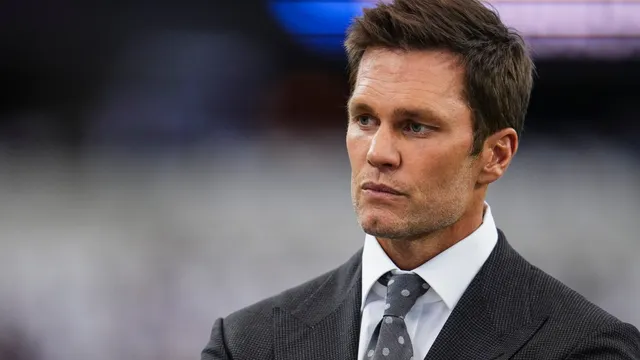
Tom Brady seeks NFL comeback but faces ownership conflict
Tom Brady seeks NFL comeback but faces ownership conflict
- Tom Brady has considered returning to play in the NFL while being a minority owner of the Las Vegas Raiders.
- The NFL stated that a player cannot also be an owner, dismissing Brady's inquiry about the possibility.
- Despite his interest, Brady has confirmed he is happily retired and committed to his role with the Raiders.
Story
In the United States, Tom Brady, the legendary seven-time Super Bowl champion and currently a minority owner of the Las Vegas Raiders, revealed that he had considered a return to professional football. Recently, he inquired with the NFL about the feasibility of him returning to play while retaining his ownership stake in the Raiders. The NFL's response was clear, indicating that they were not supportive of this idea, which is against league rules that prohibit a player from also being an owner. Despite exploring various scenarios, Brady affirmed his commitment to his retirement from active play. His contemplation of a comeback sparked discussions among fans and analysts about the potential impact of his return on the league and the Raiders organization. Brady has expressed that he is very happily retired while simultaneously working to support the Raiders in his ownership capacity. He wants to help create a winning culture in Las Vegas, further underlining his dedication to the team off the field. Furthermore, the potential conflict of interest raised questions about the implications of Brady's dual roles in the NFL as an owner and a player. Tom's last season in the NFL was in 2023, following a brief retirement and a remarkable career spanning 23 years. Despite his ongoing commitment to various ventures and media engagements, Brady's legacy in football remains significant, and whether he might reconsider his retirement in the future remains a topic of speculation. However, he emphasized that his recent participation in a flag football game reinforced his happiness with the decision to retire, highlighting that he enjoys participating in the sport without the physical toll of professional play.
Context
Tom Brady, widely regarded as one of the greatest quarterbacks in NFL history, has had a significant impact on the league, not only through his remarkable playing career but also through his involvement in ownership discussions. The NFL has specific rules that govern the relationship between ownership and players, which aim to maintain the competitive balance of the league. A pivotal aspect of these rules is the restrictions placed on active players regarding ownership stakes in teams. According to the current regulations, active players are prohibited from owning any part of a franchise while they are still competing on the field. This rule helps to ensure that players' focus remains on their performance and does not conflict with the interests of team management and ownership. The rule is designed to prevent any potential conflicts of interest that could arise if a player were able to financially benefit from their own performance or that of their teammates via ownership involvement. This measure, although strict, underscores the importance the NFL places on competitive integrity and the overall health of the league's business model. After retiring from professional football, however, players like Tom Brady may pursue ownership opportunities. Brady retired in February 2023, leaving open the possibility for him to explore ownership within the league. His consideration of a minority stake in a team exemplifies how former players can transition into ownership roles, using their experience and fame to engage in the business side of the sport. Ownership can provide former players with a platform to influence the direction of the franchise and the league. Those who have excelled on the field, like Brady, bring a valuable perspective to ownership, allowing them to leverage their insights into player performance, fan engagement, and overall market strategy. The NFL ownership model also encapsulates a culture of legacy and mentorship. When former players take on ownership roles, they often focus on shaping the future of the sport, helping to develop young talent, and promoting community initiatives. Brady's potential involvement in ownership would likely not only enhance the franchise's brand but also serve as an inspirational figure for young players pursuing their own NFL dreams. The bridge between playing and ownership can forge a unique path for former players, creating a deeper connection with the game and fans alike. In conclusion, the rules set by the NFL regarding player ownership help maintain the competitive balance and integrity of the league. Tom Brady's anticipated journey from a legendary player to a potential owner is emblematic of the league's evolving dynamics, demonstrating a seamless transition from athletic prowess to business acumen. As the NFL continues to grow and adapt, the contributions of both current players and those who have moved on from playing will shape the league's future. The crossover of ownership and former players could redefine the landscape of the NFL, allowing for innovative perspectives that align with the modern era of sports management.


