
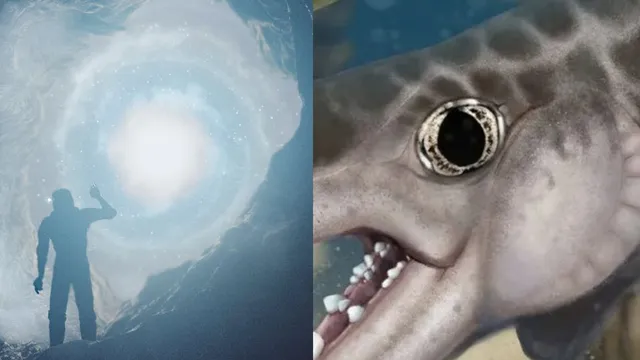
Scientists uncover terrifying extinct shark species in Mammoth Cave
- Researchers discovered a new species of extinct shark named Macadens olsoni in Mammoth Cave, Kentucky.
- The species exhibited a unique dental structure, differing from all known sharks, likely preying on mollusks and worms.
- This finding enhances understanding of ancient marine life and highlights the necessity of paleontological research.
Story
In Kentucky, a remarkable discovery was made deep within Mammoth Cave, the longest known cave system in the world. Researchers unearthed a previously unknown species of extinct shark, now named Macadens olsoni. This discovery was part of a collaborative effort involving specialists from the National Park Service’s Palaeontology Programme, Mammoth Cave National Park, and the Smithsonian Institution’s Palaeobiology Department. The fossil was found in the Ste. Genevieve Formation, a geological layer estimated to be around 335 to 340 million years old, indicating that this ancient predator lived during a time long before dinosaurs roamed the Earth. Macadens olsoni measured under one foot in length and exhibited a unique dental structure that sets it apart from other known shark species. While typical sharks have multiple rows of teeth, this ancient species had a distinct arrangement with a single row of teeth on each side of its jaw, highlighted by three prominent teeth at the front. This unusual formation is unprecedented among known sharks and poses intriguing questions about its diet, which likely consisted of mollusks and worms found in its marine environment. Alongside the discovery of Macadens olsoni, researchers also revisited and reclassified another ancient shark species previously known as Helodus coxanus. It has been renamed Rotuladens, derived from Latin meaning 'wheel tooth,' to reflect its unique dental characteristics. Both species showcase the diversity of prehistoric marine life that thrived in the region that is now Mammoth Cave. According to Superintendent Barclay Trimble, this finding not only enriches our understanding of ancient marine ecosystems but emphasizes the importance of paleontological research in national parks. The discovery is significant for educational purposes as well, connecting the past with the present. Every finding helps build a comprehensive narrative about the history of life on Earth, offering valuable insights for students and the broader public to appreciate the evolutionary journey of species. The work conducted in Mammoth Cave reaffirms the critical role of ongoing research and preservation of natural history within these protected areas and their potential to yield further significant discoveries in the future.
