

Iranian cluster bombs kill civilians in Israeli missile strikes
Iranian cluster bombs kill civilians in Israeli missile strikes
- Iran has executed missile strikes on civilian targets in Israel that resulted in fatalities.
- Cluster bombs used in these strikes disperse small explosives, complicating interception efforts.
- The ongoing conflict has prompted international concern regarding civilian safety and military conduct.
Story
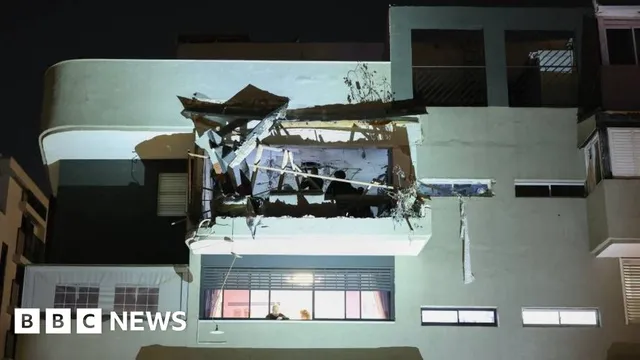
In recent days, Iran has launched a series of missile strikes targeting civilian areas in Israel, including a lethal strike near Tel Aviv that killed at least two elderly residents in their apartment. The attack, which involved the use of cluster bombs, resulted in significant damage to residential buildings and left the area shaken by the force of the explosion. Eyewitnesses reported hearing multiple interceptions before a bomb managed to penetrate the defenses, leading to the tragic deaths of the couple who lived in the struck apartment. These events are part of the ongoing conflict that has escalated tensions in the region. Israeli military officials indicated that the cluster munition attacks are particularly challenging to defend against due to their wide dispersal of smaller explosives, which can cause extensive casualties and damage even if the primary missile is intercepted. Reports of such attacks highlight the serious threat posed to civilians amidst the military operations involving Iran and its proxies in the region. The situation has become increasingly dire, as civilians are caught in the crossfire of military strategies. While Israeli military operations target Iranian military sites and infrastructure, the use of indiscriminate weapons like cluster bombs raises concerns about compliance with international humanitarian laws and the implications for civilian safety. Humanitarian organizations have reported a rising number of civilian casualties, with many families affected by the bombings, leading to a humanitarian crisis. The possibility of further missile strikes remains a significant concern for Israeli authorities as Hezbollah, an Iranian-backed militant group, poses an additional threat from the north. As military operations continue and Israel implements its Defense strategies, the plight of civilians caught in these conflicts emphasizes the need for a renewed focus on diplomatic resolutions and the protection of human life in the region, showcasing the necessity for international attention and intervention.
Context
In recent years, the issue of civilian safety in urban conflict zones has gained prominence due to the increasing frequency and intensity of such conflicts. The juxtaposition of densely populated urban environments with military action poses significant challenges for ensuring the safety of non-combatants. The civilian population often bears the brunt of violence, suffering casualties, displacement, and psychological trauma. Thus, implementing effective civilian safety measures is not only a humanitarian obligation but also a critical component of modern warfare strategies that prioritize the protection of innocents. One of the foremost approaches to enhancing civilian safety in urban conflict zones involves the adoption of comprehensive risk assessment frameworks. This includes pre-conflict analyses to identify vulnerable populations and critical infrastructure. Continuous assessment during the conflict can aid in rapidly adapting strategies to changing conditions. Engaging with local communities is essential, as they can provide insights into the unique dynamics of their neighborhoods. Such collaboration can foster trust and improve the efficacy of safety measures like early warning systems that alert civilians about imminent dangers. Moreover, the need for adherence to international humanitarian law cannot be overstated. Armed forces must ensure that their operations minimize harm to civilians. This entails precision in targeting, as well as the development of strategies that aim to limit the impact of military operations on civilian infrastructure, such as hospitals and schools. Training military personnel on the importance of civilian protection can enhance operational effectiveness while safeguarding non-combatants. Additionally, utilizing technology, such as drones for surveillance and precision strikes, can mitigate risks to civilians and ensure better outcomes in conflict scenarios. Lastly, post-conflict recovery plays a vital role in civilian safety. Rebuilding efforts should prioritize the needs of those affected, implementing programs aimed at psychosocial support, community rebuilding, and infrastructure restoration. International cooperation and funding are crucial in providing resources for these initiatives. Overall, while urban conflict zones present formidable challenges, concerted efforts on multiple fronts can significantly enhance civilian safety and protect the most vulnerable populations during times of conflict.


