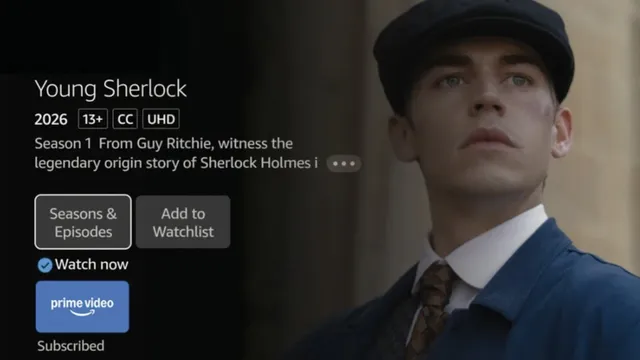
Accessibility features in streaming devices have become increasingly important as technology evolves and the demand for inclusive entertainment options grows. Streaming devices, such as smart TVs, set-top boxes, and media players, are now equipped with a variety of features designed to enhance the viewing experience for individuals with disabilities. These features include screen readers, closed captioning, audio descriptions, and customizable user interfaces, which collectively aim to make content more accessible to everyone, regardless of their physical or cognitive abilities.
Screen readers are a vital accessibility tool that converts on-screen text into speech, allowing visually impaired users to navigate menus and select content independently. Many streaming devices now support popular screen reader software, enabling users to access their favorite shows and movies without assistance. Additionally, closed captioning has become a standard feature, providing text representation of spoken dialogue and sound effects, which benefits not only the deaf and hard-of-hearing community but also those who prefer to watch content with the sound off or in noisy environments.
Audio descriptions are another significant advancement in accessibility features. This service provides narrated descriptions of key visual elements during a program, allowing visually impaired viewers to understand the context and actions taking place on screen. Many streaming platforms have begun to include audio description tracks for a growing number of titles, making it easier for users to enjoy a wider range of content. Furthermore, customizable user interfaces allow users to adjust settings such as text size, contrast, and color schemes, catering to individual preferences and needs.
As the streaming industry continues to grow, it is essential for developers and content providers to prioritize accessibility in their offerings. By implementing and enhancing these features, streaming devices can ensure that all users have equal access to entertainment. Ongoing collaboration with advocacy groups and individuals with disabilities will help identify areas for improvement and drive innovation in accessibility technology. Ultimately, the goal is to create an inclusive environment where everyone can enjoy the benefits of streaming services.