

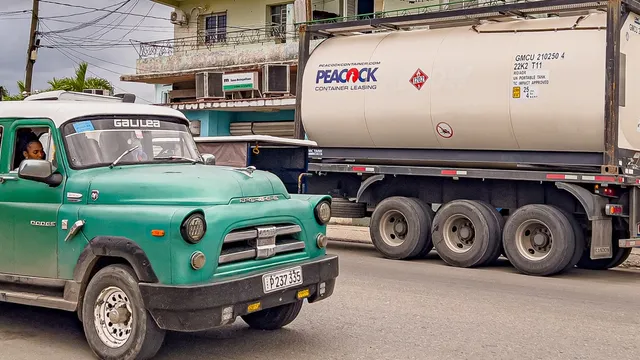
Cuba faces dire humanitarian crisis amid fuel shortages and U.S. sanctions
Cuba faces dire humanitarian crisis amid fuel shortages and U.S. sanctions
- Fuel shortages in Cuba are causing severe disruptions in daily life, including shortages of food and water.
- The Cuban government blames U.S. sanctions for the current crisis, affecting multiple sectors like healthcare and agriculture.
- Experts warn that the situation could escalate into a more significant humanitarian catastrophe, with political implications for the regime.
Story
Cuba has been grappling with an escalating humanitarian crisis primarily driven by severe fuel shortages and exacerbated by U.S. sanctions over the past few months. The situation has grown particularly dire in the capital city of Havana, where residents are often forced to cope without adequate supplies of food and water, resorting to cooking with wood or charcoal due to prolonged electrical blackouts. Reports indicate a marked increase in people begging for food and scouring garbage for sustenance in the streets. This crisis is further complicated by the agricultural sector's inability to deliver goods to urban areas, as restrictions on fuel sales have paralyzed transportation across the island. As the Cuban government faces mounting criticisms, President Miguel Díaz-Canel attributed the country's difficulties to an "aggressive and criminal" U.S. policy that has imposed an oil blockade, significantly impairing vital services, including healthcare and food production. Amid the challenges, the government is reportedly in talks with U.S. representatives in an attempt to negotiate a way through this crisis. Nevertheless, analysts argue that the underlying issues predate current sanctions, stemming from the economic challenges Cuba has faced since the dissolution of the Soviet Union in 1991, which left the country without its primary economic support and led to significant struggles within the Cuban regime. In healthcare settings, such as hospitals and specialized treatment centers like the Institute of Hematology and Immunology in Havana, patients and medical staff are increasingly feeling the pressures of the energy crisis. Facilities are strained as power outages jeopardize the refrigeration of critical medications, while patients like Yonelkys García struggle with accessing treatment for conditions like acute myeloid leukemia amid the broader economic collapse. Medical professionals are left to innovate and adapt as they face challenges in providing care amidst shortages. While the humanitarian crisis worsens, there are concerns about the potential ramifications for the Cuban regime, which could experience increased internal dissent and instability as the population faces deteriorating living conditions. Both international observers and local citizens are bracing for what many believe could become a larger catastrophe, a situation that many argue will be ultimately blamed on the Cuban government, despite existing sanctions. The deepening economic crisis not only threatens the well-being of the Cuban populace but also presents complex challenges for future U.S.-Cuba relations.
Context
The Cuba humanitarian crisis of 2026 has reached alarming proportions, as the nation grapples with acute shortages of essential goods and services. Escalating economic challenges, compounded by the long-standing U.S. embargo and internal mismanagement, have resulted in severe food insecurity, inadequate healthcare, and a crumbling infrastructure. The average Cuban now faces daily struggles for access to basic necessities, including food, clean water, and medicine, following years of declining support from foreign allies and adverse climate conditions that have affected agriculture, limiting domestic production capabilities. International organizations have raised concerns about the increasing malnutrition rates among vulnerable populations, particularly children and the elderly, signaling an urgent need for humanitarian assistance on the ground. In addition to the physical shortage of resources, the socio-political climate in Cuba has exacerbated the humanitarian situation. Civil unrest has been growing as citizens express their frustration over the government's inability to provide for their basic needs. The government's response to dissent has often been met with crackdowns, limiting freedom of expression and further destabilizing the environment. Reports indicate that peaceful protests have been met with hostility, leading to fears of increased repression and violence. As the crisis deepens, there is an increasing sense of hopelessness among those who suffer the most, fostering a cycle of despair that has prompted many to seek asylum abroad. The international community has begun to respond to the crisis with varying degrees of support. Humanitarian aid agencies are calling for immediate intervention, advocating for both emergency assistance to meet pressing needs and longer-term development initiatives to rebuild the country’s capacities. However, the effectiveness of aid delivery faces considerable challenges, including logistical hurdles and restrictions imposed by the Cuban government. Organizations are appealing for an easing of sanctions to facilitate the passage of aid and to boost economic opportunities, highlighting that a collaborative approach may be necessary to foster recovery efforts. Moving forward, a multifaceted approach is essential to address both the immediate and underlying causes of the crisis. Fostering dialogue between the Cuban government and civil society could establish a framework for addressing grievances and restoring trust. Furthermore, engaging with international partners to design programs that enhance food security, improve healthcare access, and revitalize infrastructure must be prioritized. Only through collective efforts that respect the dignity and rights of the Cuban people can a path towards recovery be carved out, leading to a more stable and resilient Cuba.


